

Real Estate Sales Strategy — Selling Homes Through a Crisis
Between 2008 and 2013 the market did not reward better advertising. It rewarded whoever could make a custom home affordable. The real estate sales strategy behind this project did that by connecting three trades that normally compete — construction, interior design and furniture manufacturing — into a single, priced, transparent process.
The success of real estate marketing during the toughest years of the industry came from the creation of synergies between different yet complementary sectors, all aimed at a single goal: sales.
The technical knowledge gained in the field was invaluable, providing insights that allowed us to offer clients excellent service at competitive costs — in collaboration with Donkey Lab.
In an increasingly fast-paced world where time is limited, many people seek a partner they can fully trust. The strategy was built around exactly that: structuring a network of professionals capable of satisfying every aspect related to the home.
From architectural design to interior furnishing, clients were guided directly into the hands of the right experts at every stage.
The Problem: Three Trades Competing for the Same Budget
A buyer commissioning a custom home deals with a builder, a designer and a furniture supplier. Each quotes separately, each protects its own margin, and none of them can tell the client what the finished home will actually cost until the process is already underway.
In a healthy market that inefficiency is absorbed. In a collapsing one it stops the sale entirely, because nobody commits to an open-ended figure when credit is scarce and prices are falling.
The three sectors were also, structurally, in competition with one another: every euro spent on finishes is a euro not spent on furniture, and every upgrade in the shell reduces what is left for design. Treated as rivals, they shrink the deal. Treated as one chain, they enlarge it.
Why Fixed Prices per Square Metre Changed the Conversation
Pricing the shell per square metre first, then the interior design per square metre, then the furnishing by budget tier, turns an unknown into an arithmetic problem the client can solve on their own.
The full investment becomes visible before any commitment is made, and the decision moves from “how much might this end up costing” to “which specification do I want”.
That reversal is the whole real estate sales strategy. Everything downstream — the catalogues, the architect briefings, the coordination between trades — exists to keep that initial figure honest.
What the Model Produced
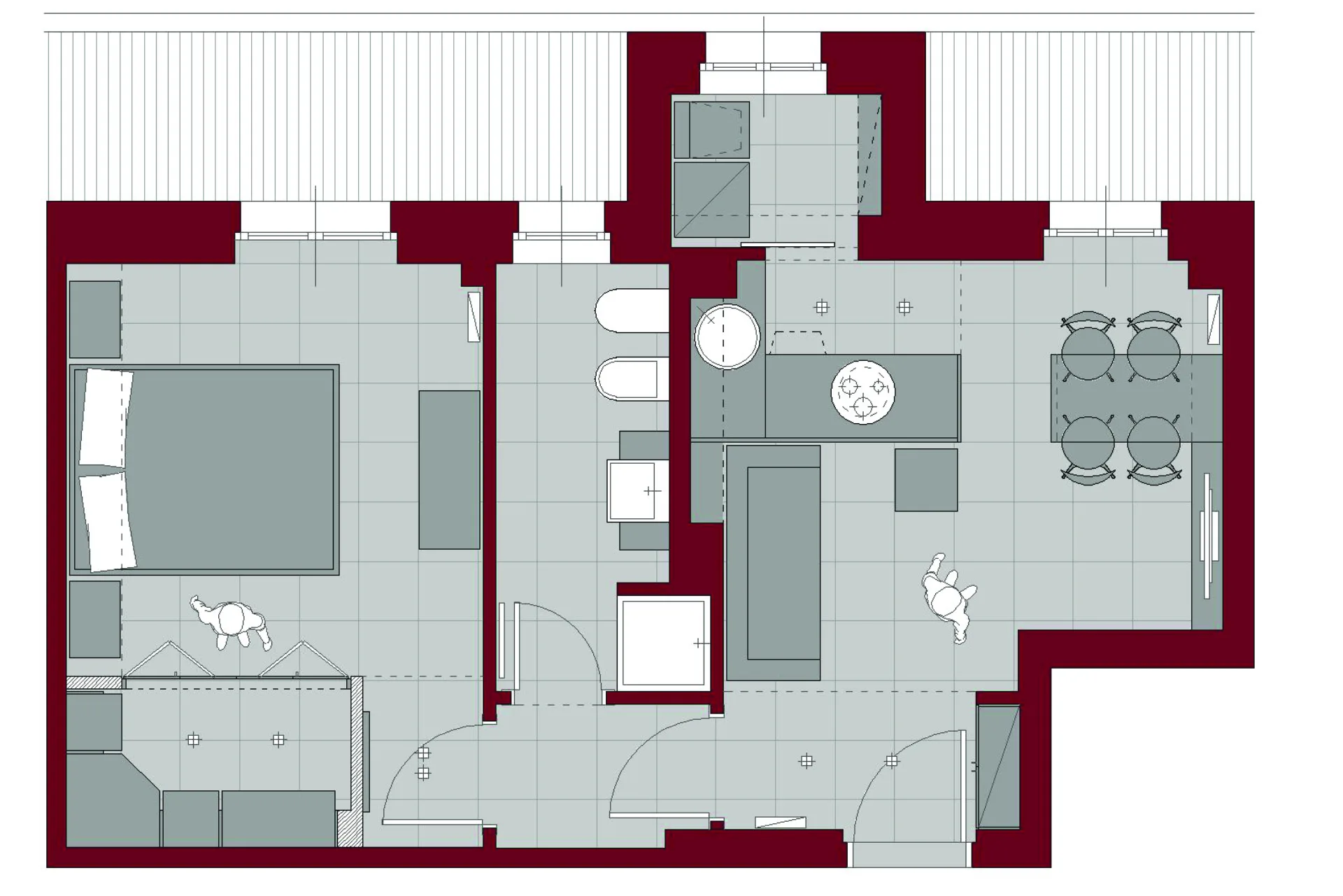
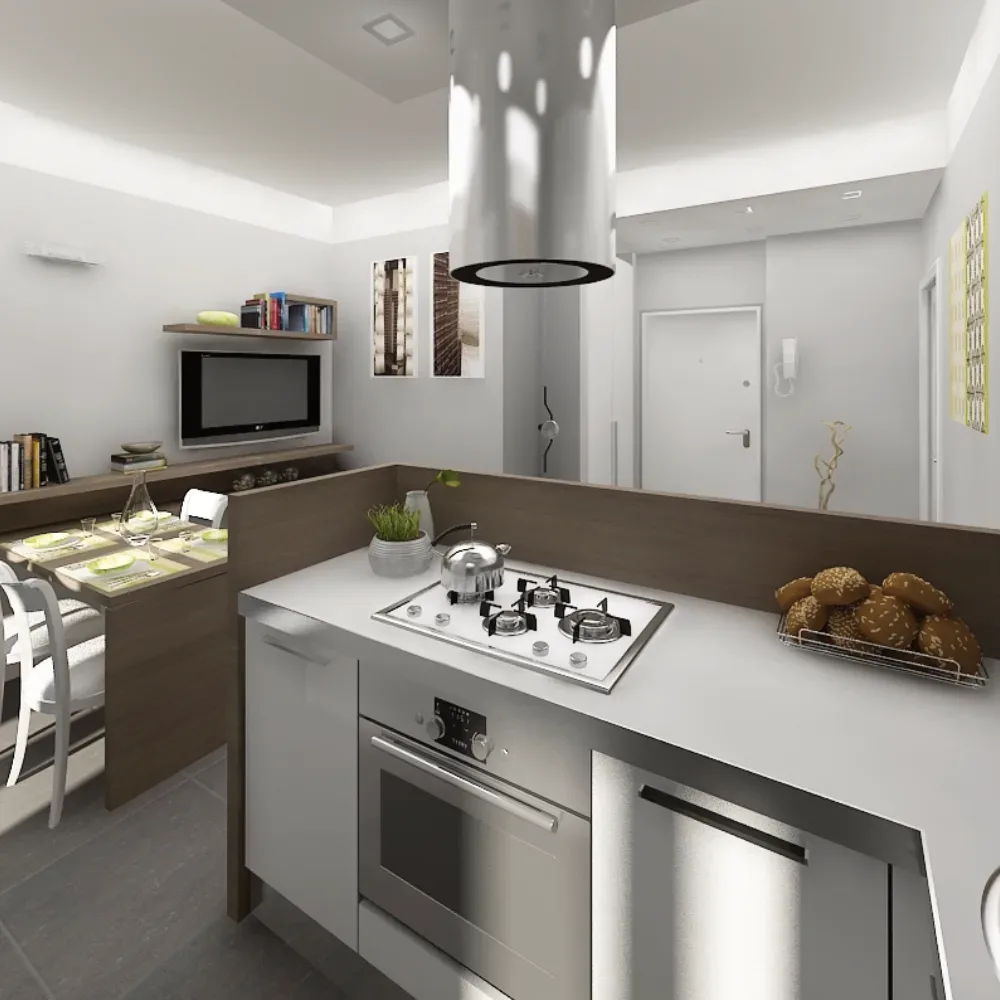
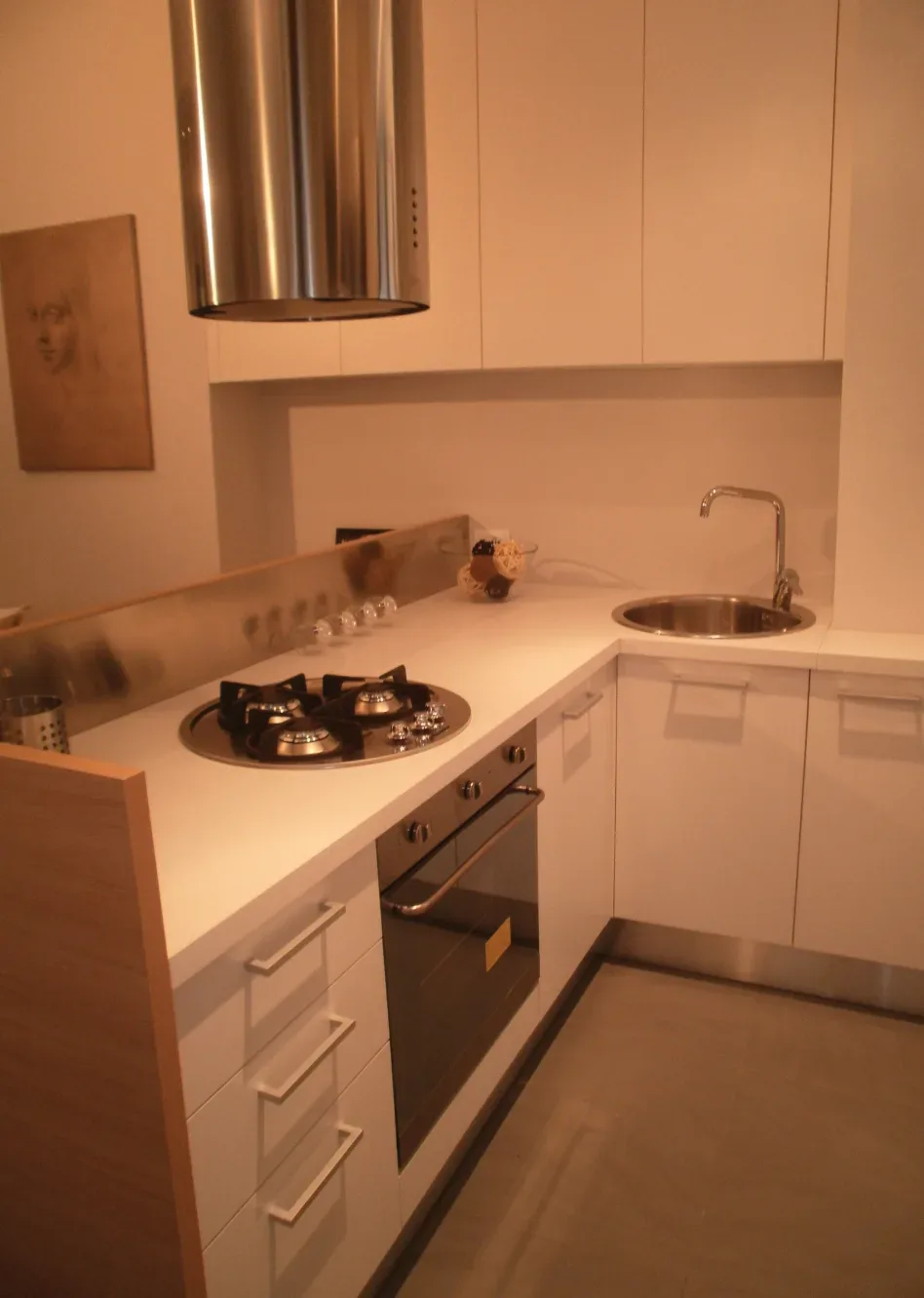
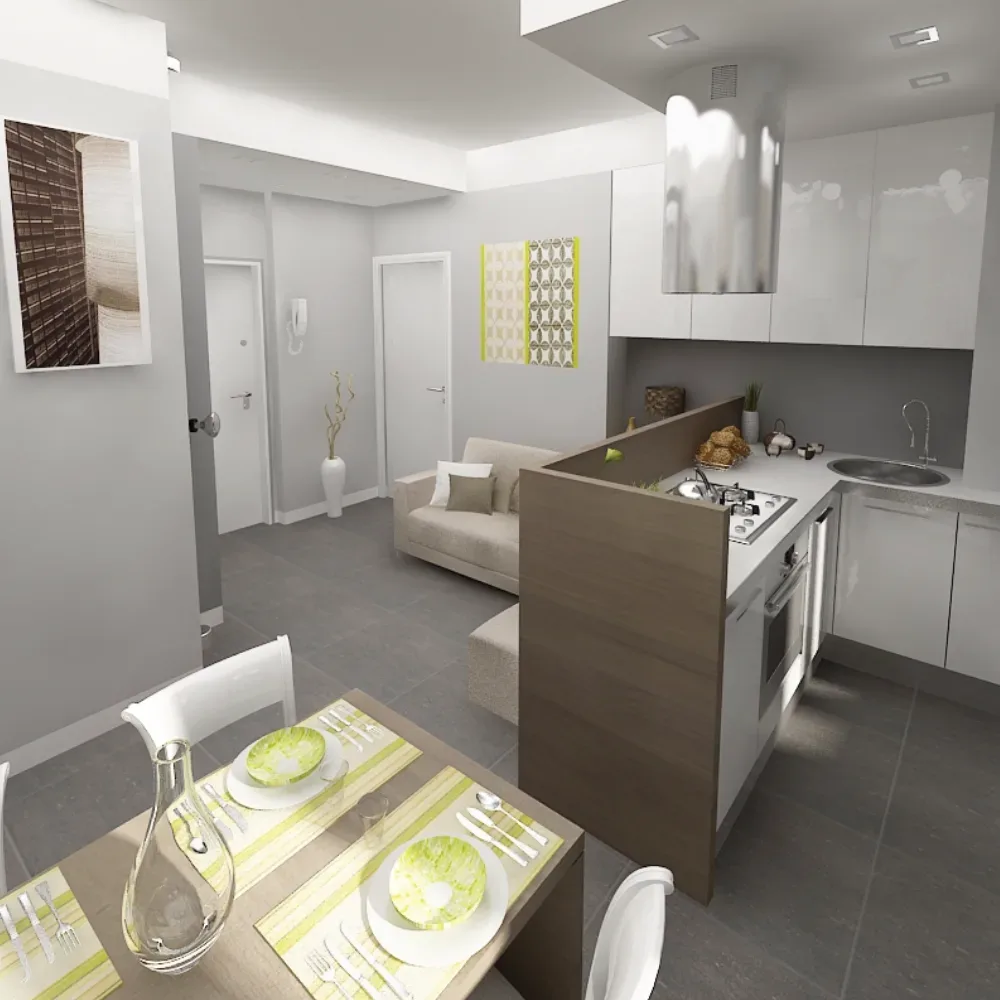
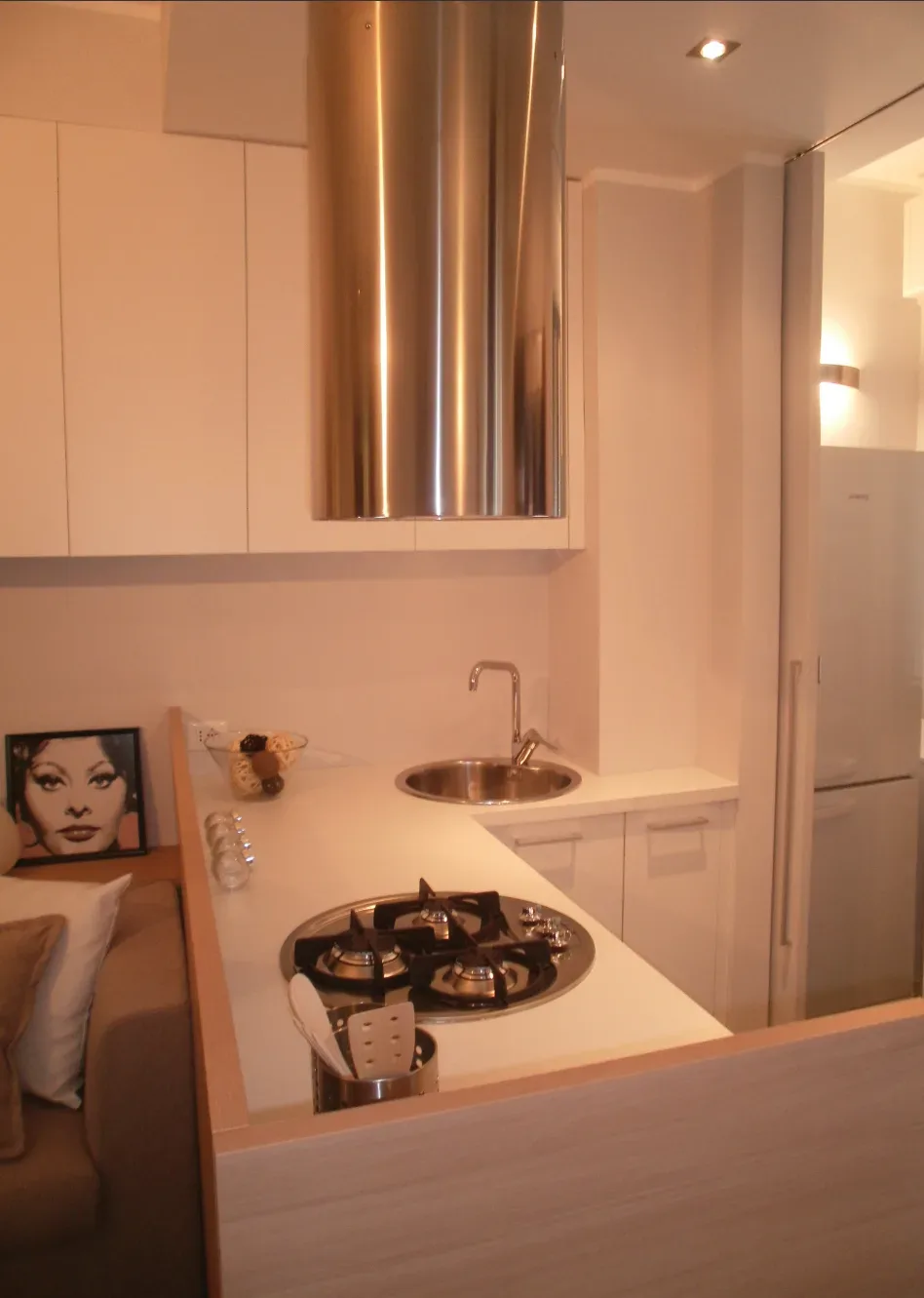
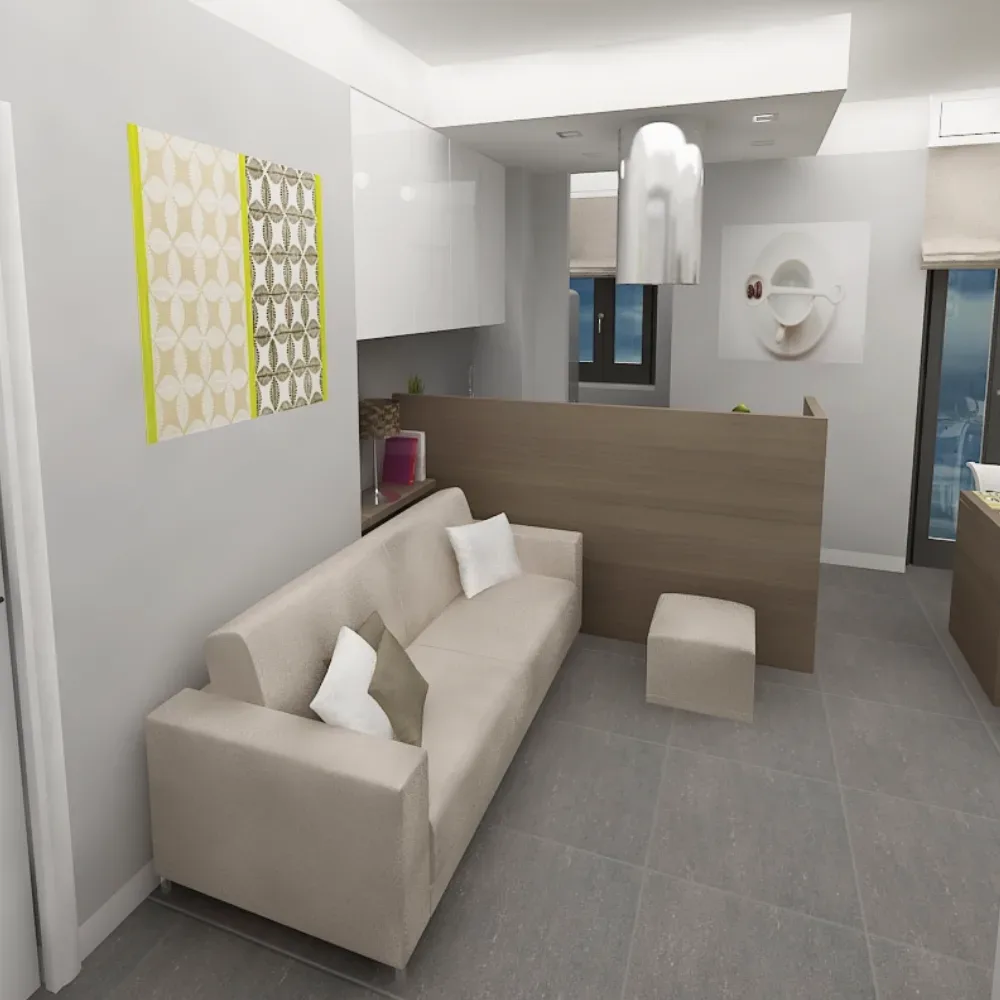
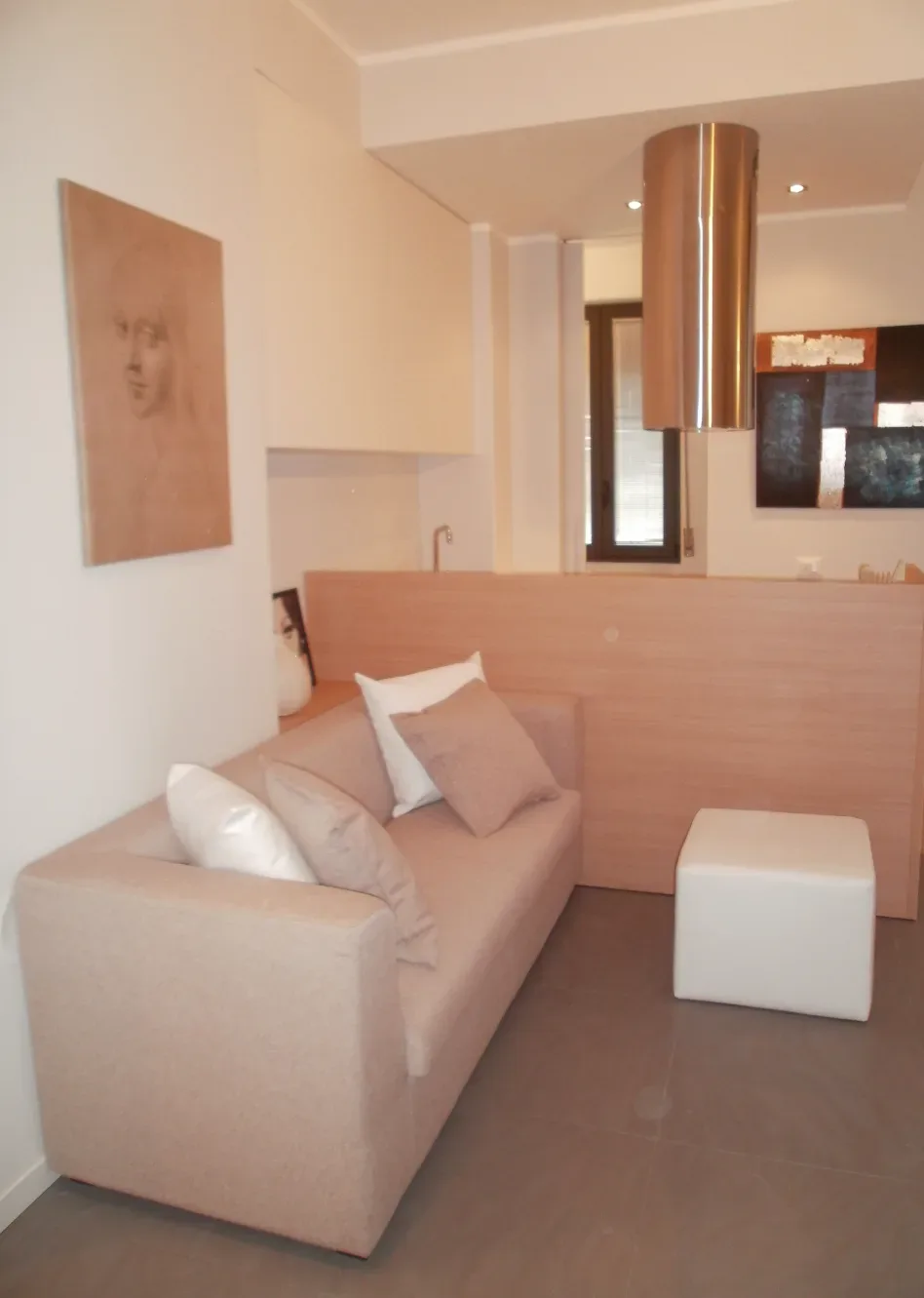
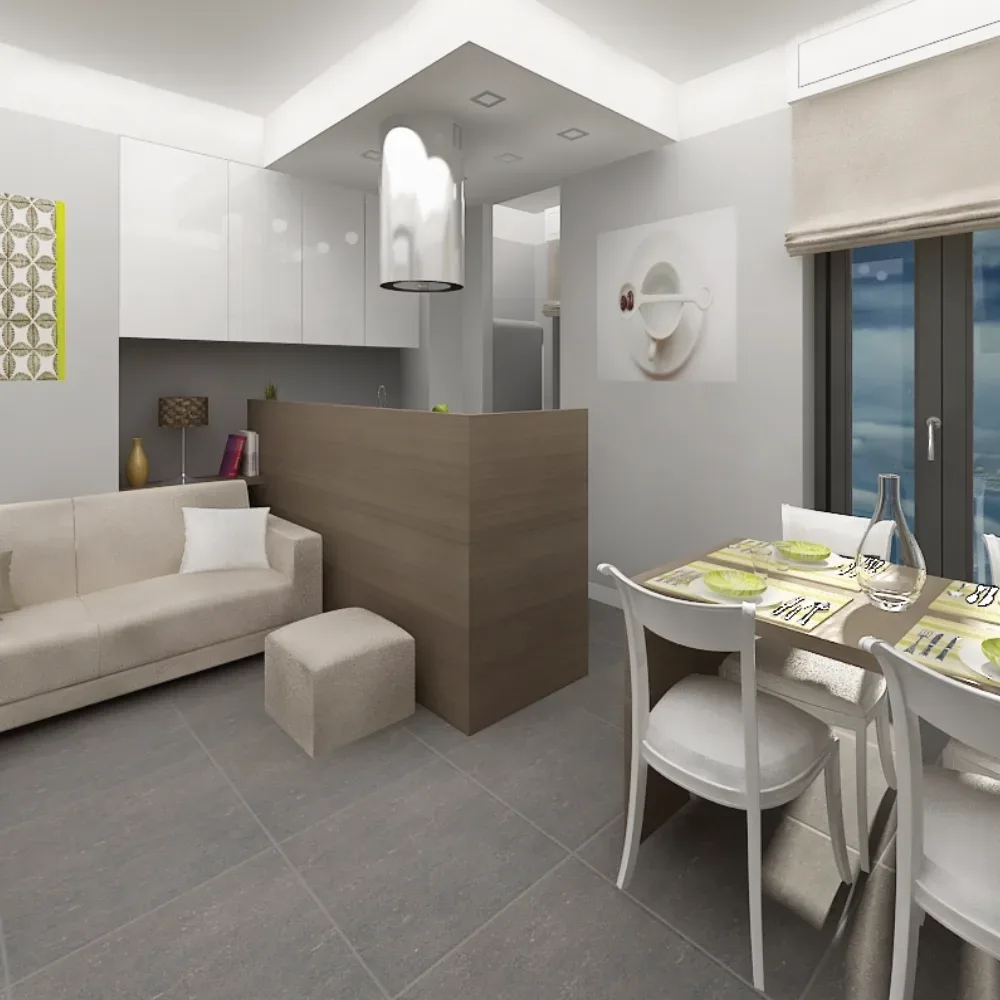
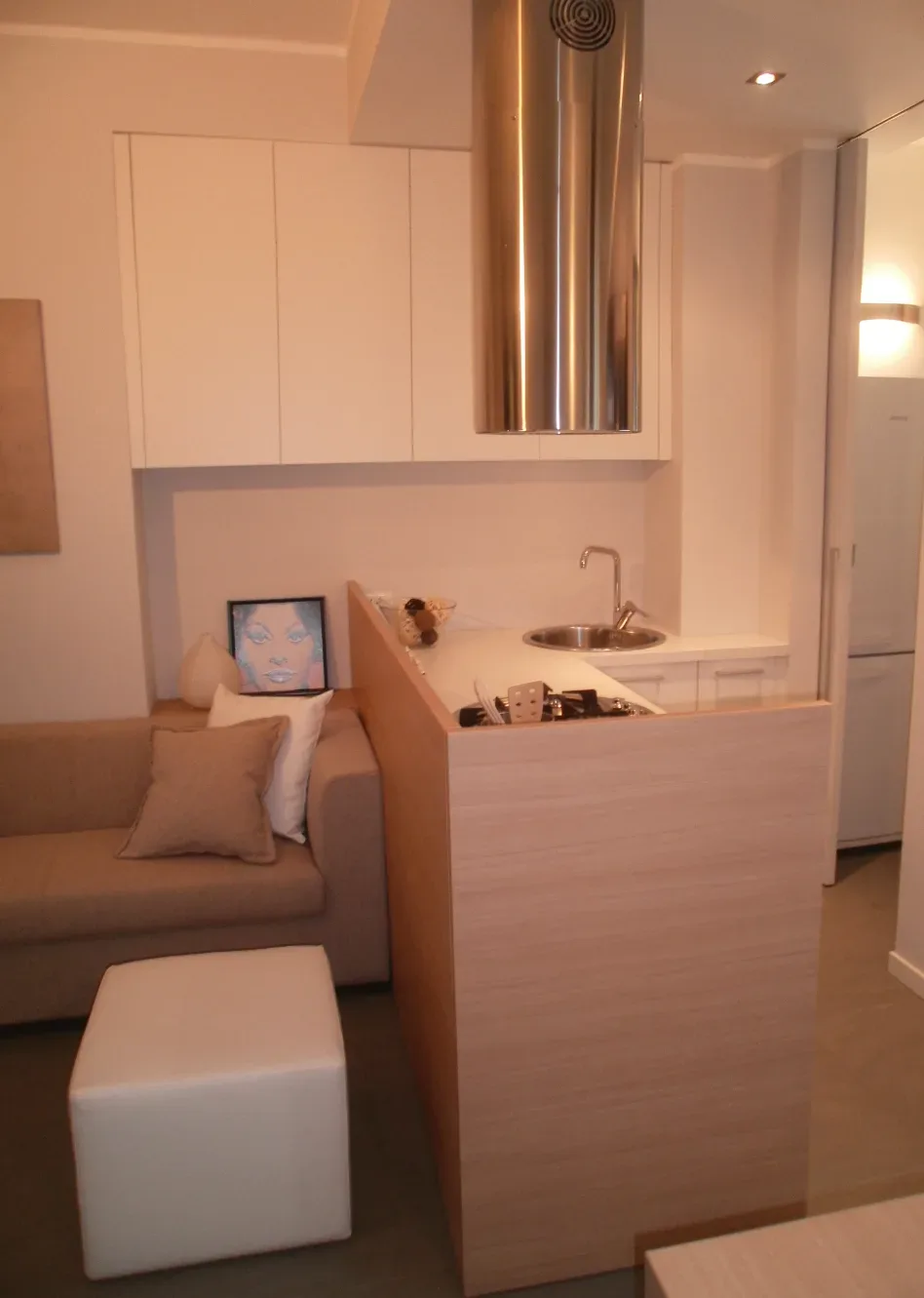
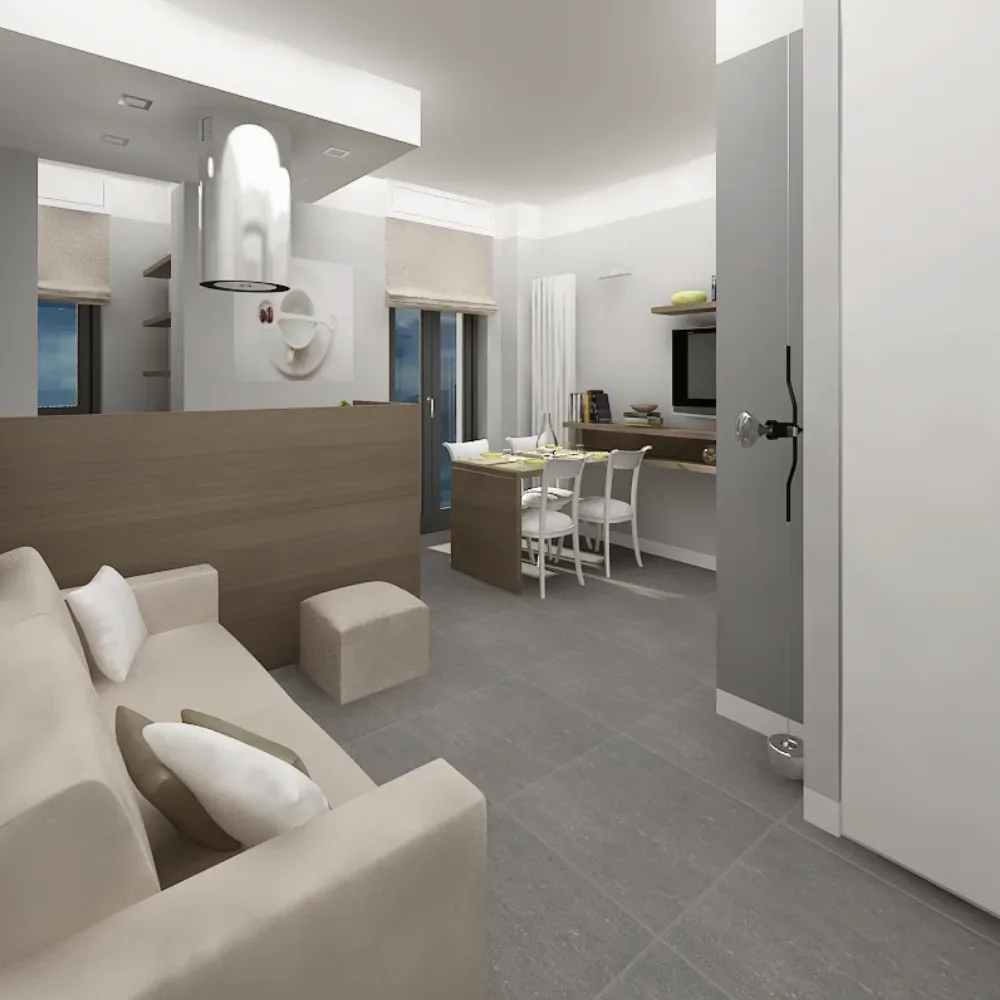
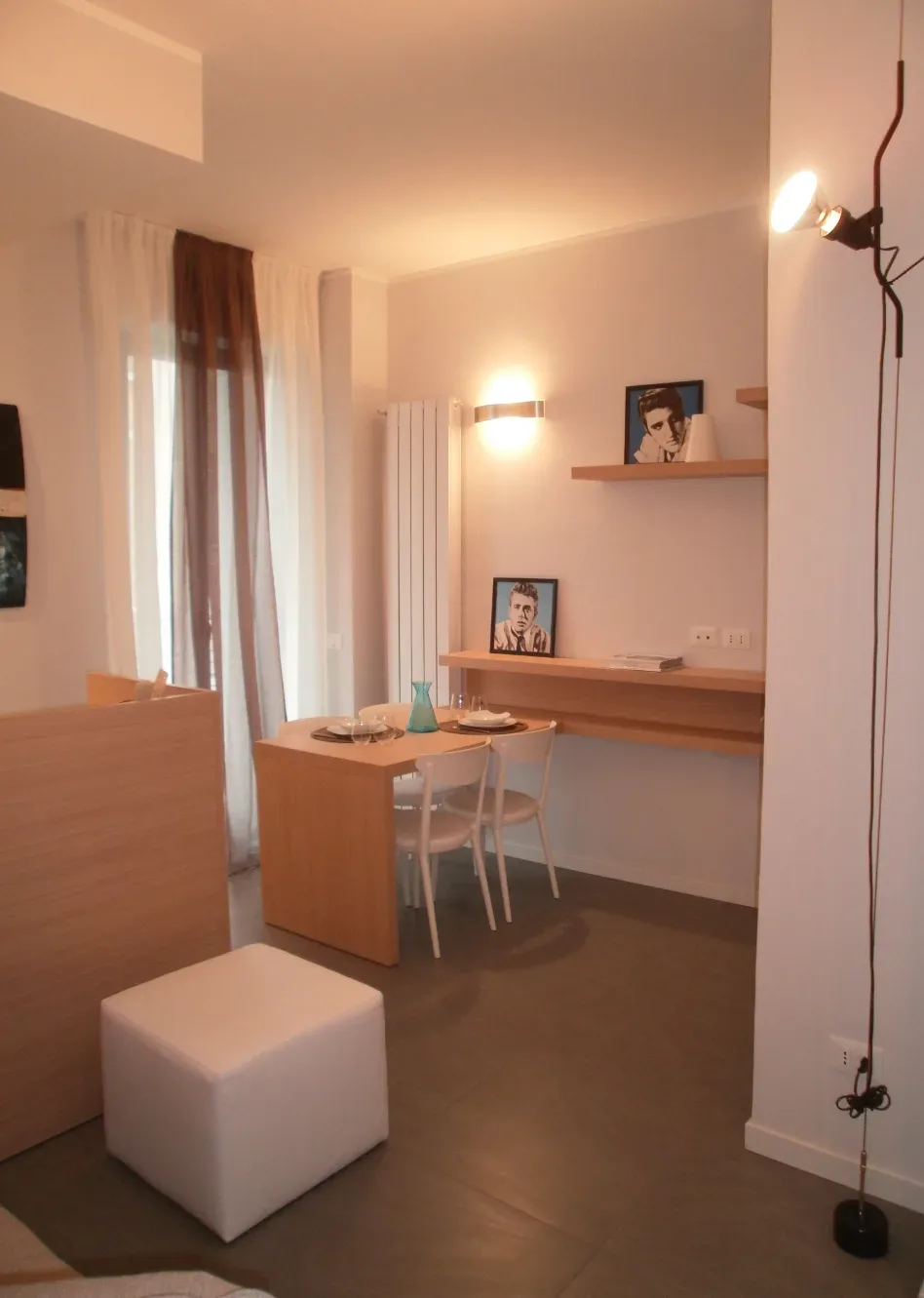
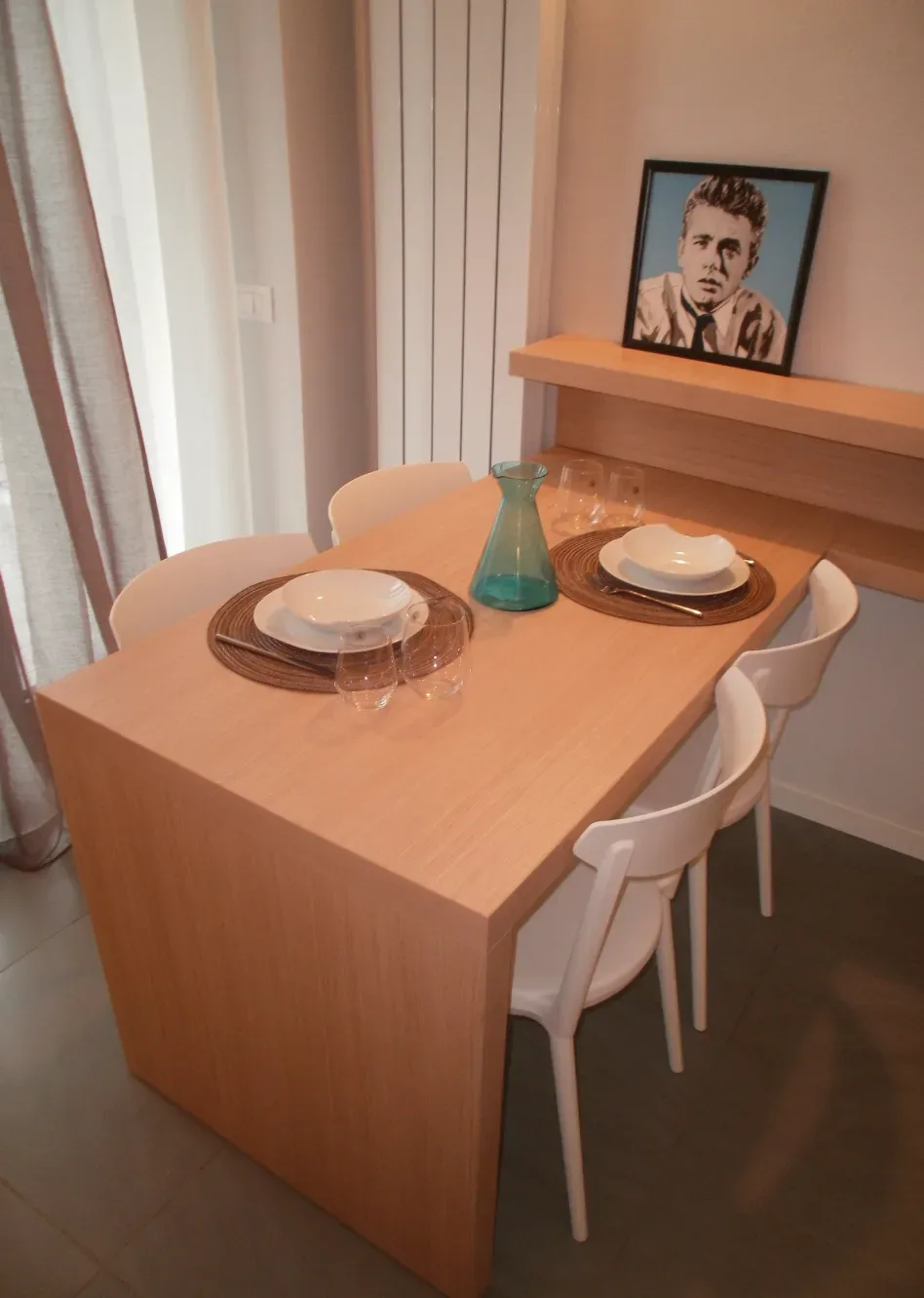
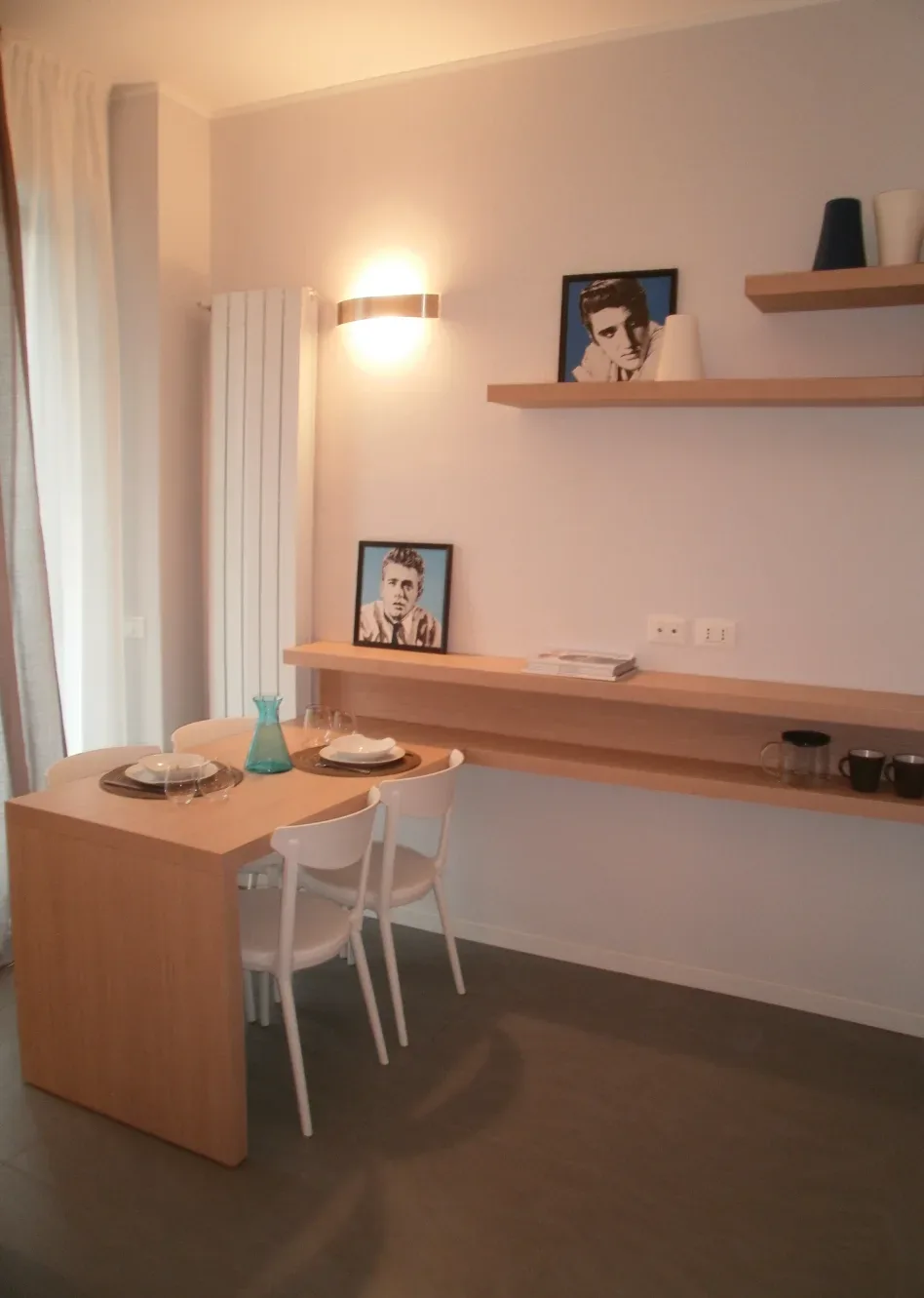
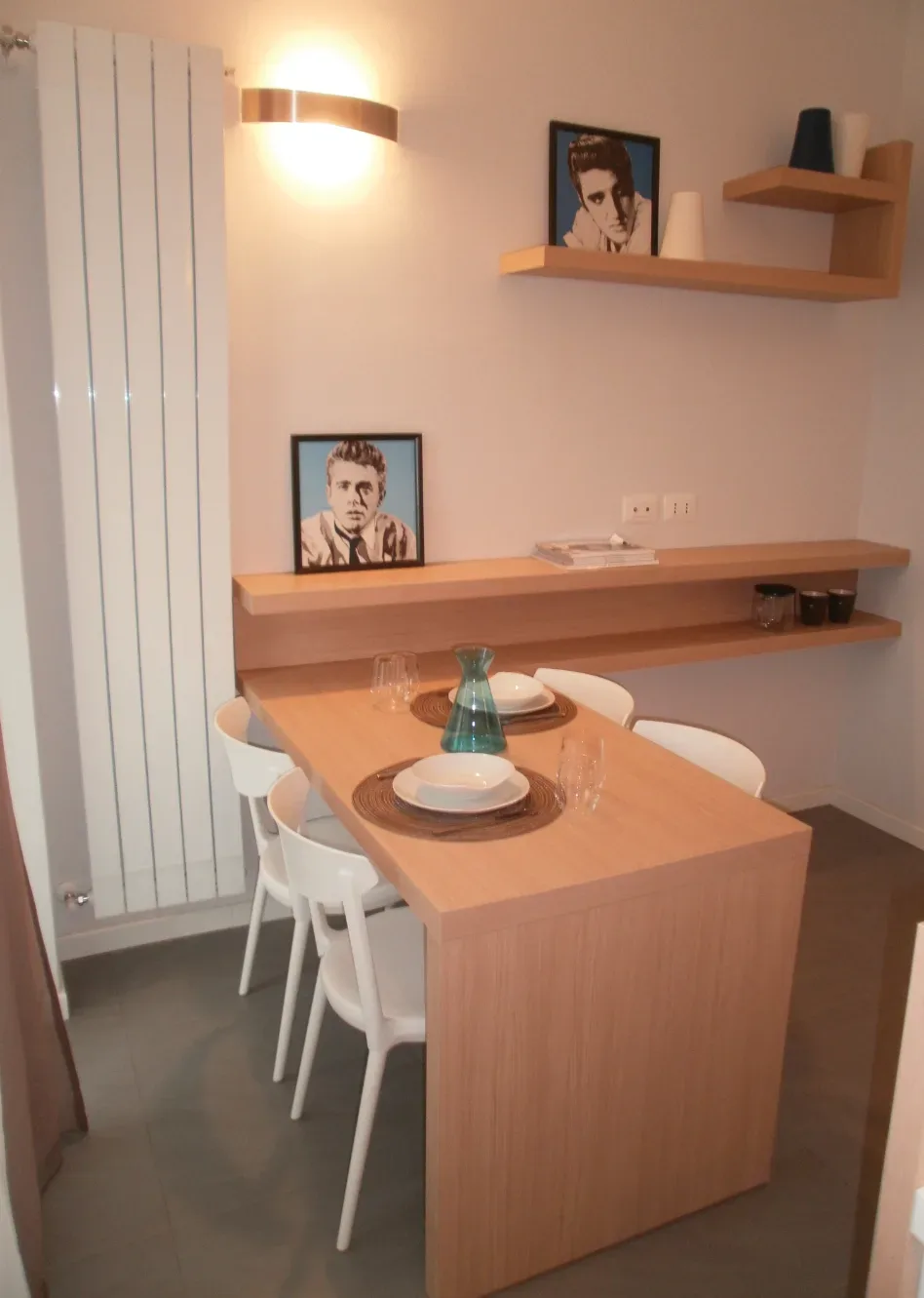
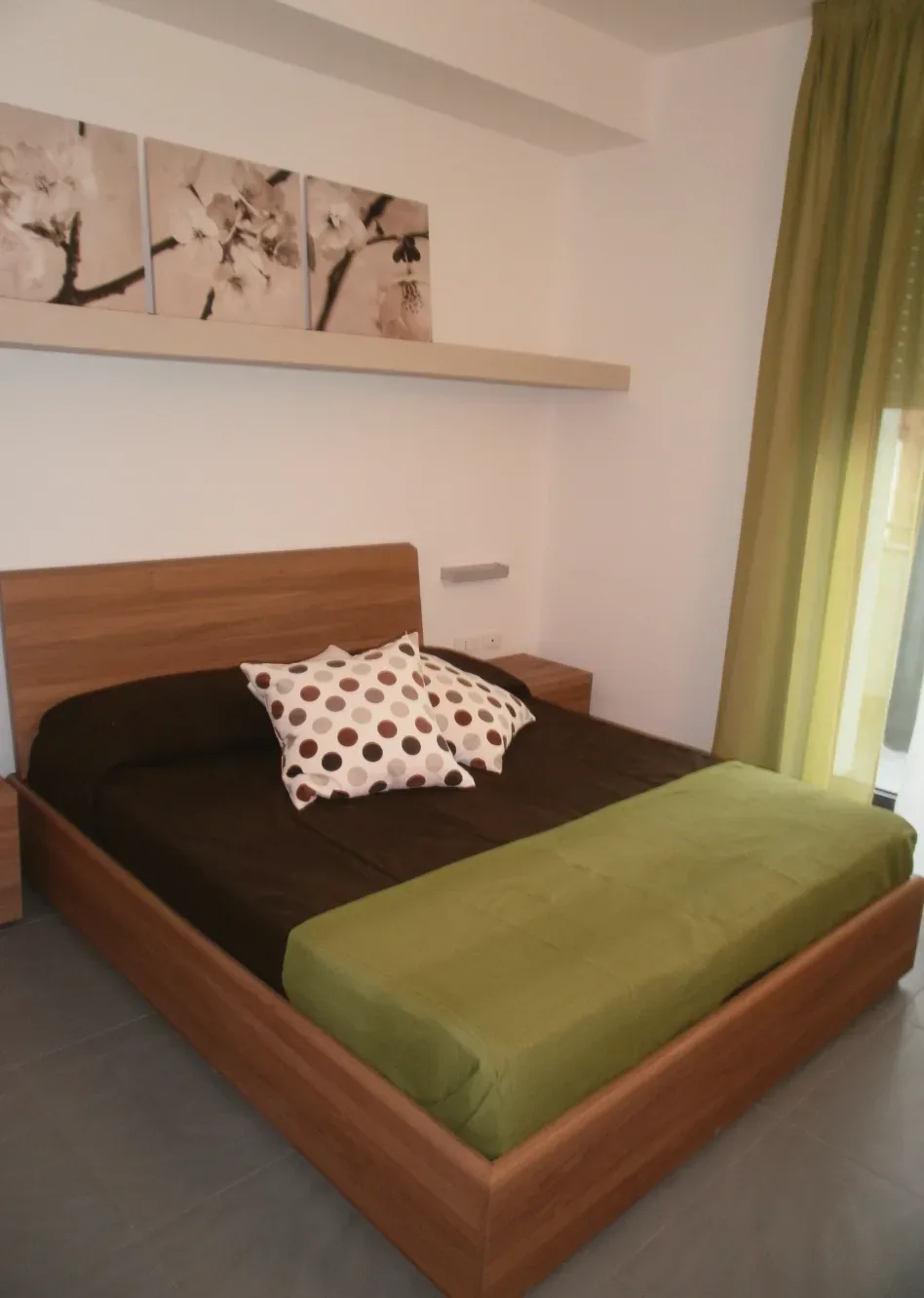
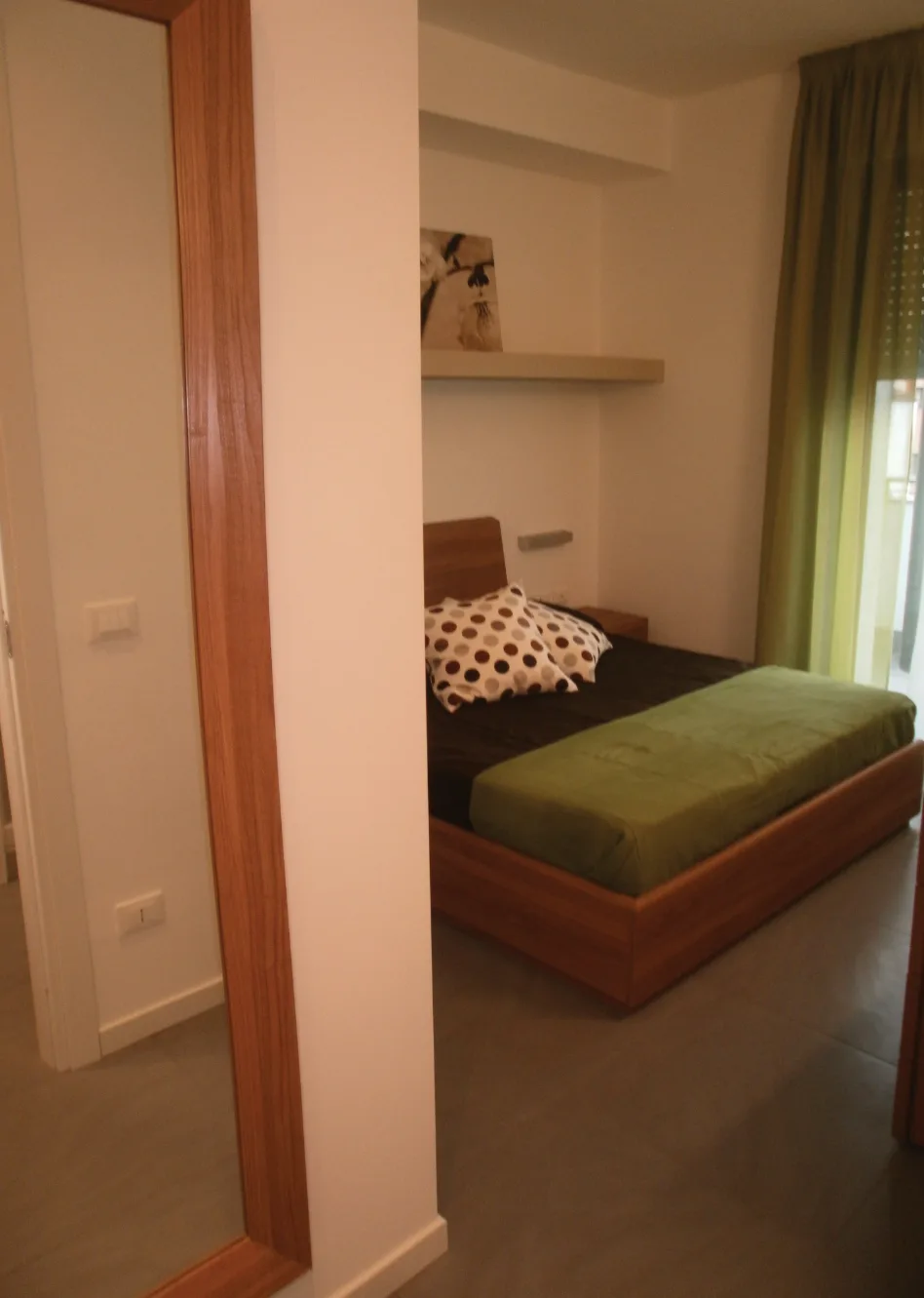
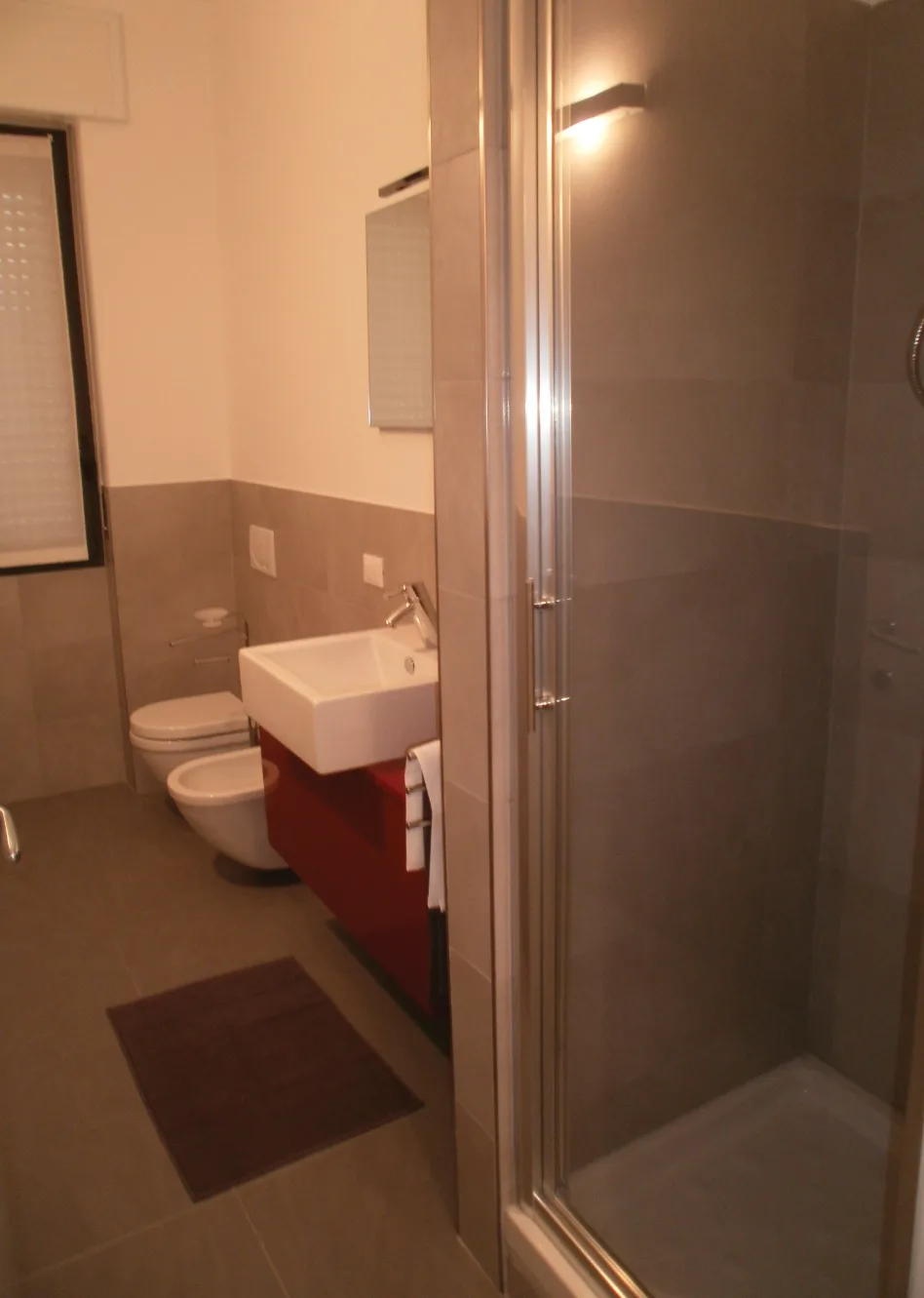
The outcome was fully personalised homes at standardised, accessible prices, delivered through the deepest years of the market crisis.
Just as importantly, all three sectors stayed active: the builders kept selling shells, the designers kept working and the furniture manufacturers kept moving stock, at a moment when each of them individually was struggling to find clients.
Where This Project Sits
This real estate sales strategy predates the digital tools that came later, but the underlying method — price the chain, not the pieces — carried directly into subsequent work.
It reappears in the fixed-budget approach of Reforma Vivienda Tenerife, and in the zero-cost commercial model of Sueño Atlántico. The creative and communication side was delivered through Donkey Lab.
The construction management practice that grew out of this approach operates today as Reforma Vivienda Tenerife. The full body of work is collected in my construction project manager portfolio.