

Renewable Energy Marketing — From Zero to €28M in Two Years
Renewable energy marketing is not a communication problem, it is a trust problem. A household deciding on photovoltaic panels, a heat pump or a full energy retrofit is making an expensive, disruptive, long-payback decision inside its own home. As Director of Global Marketing Communications for Generazione Green in Milan, the task was to make that decision feel accessible and financially rational — and the result was €28 million in sales within two years.
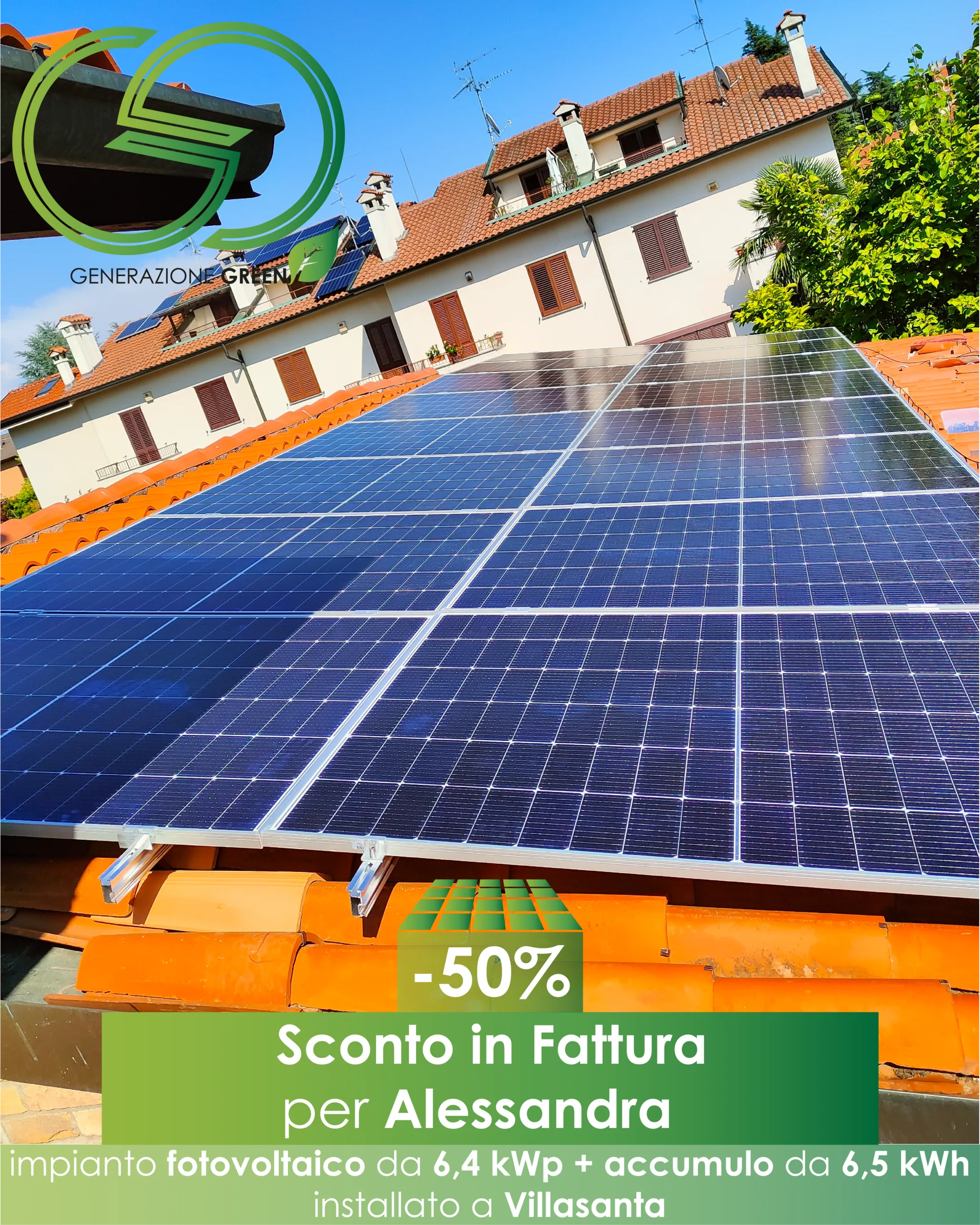
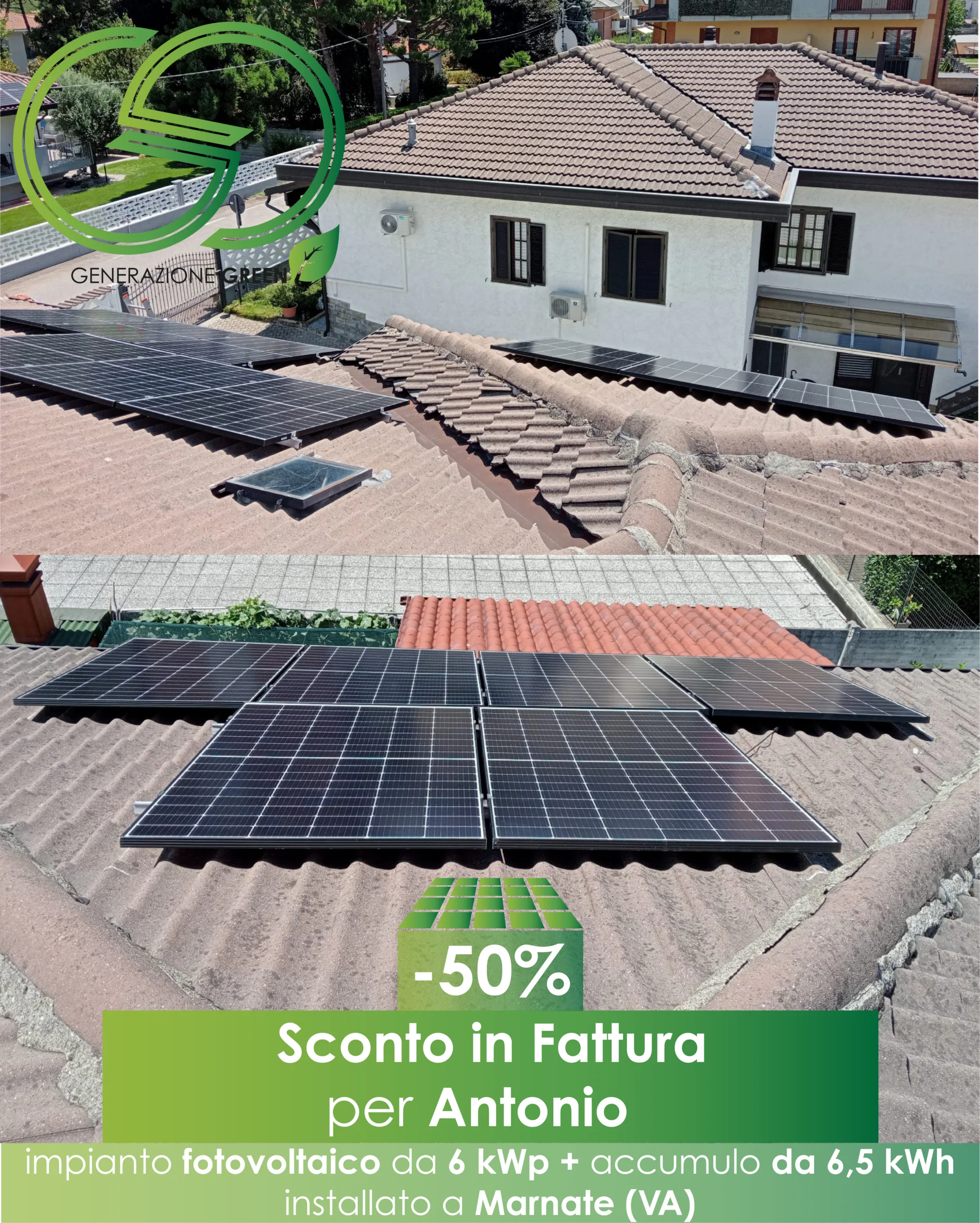
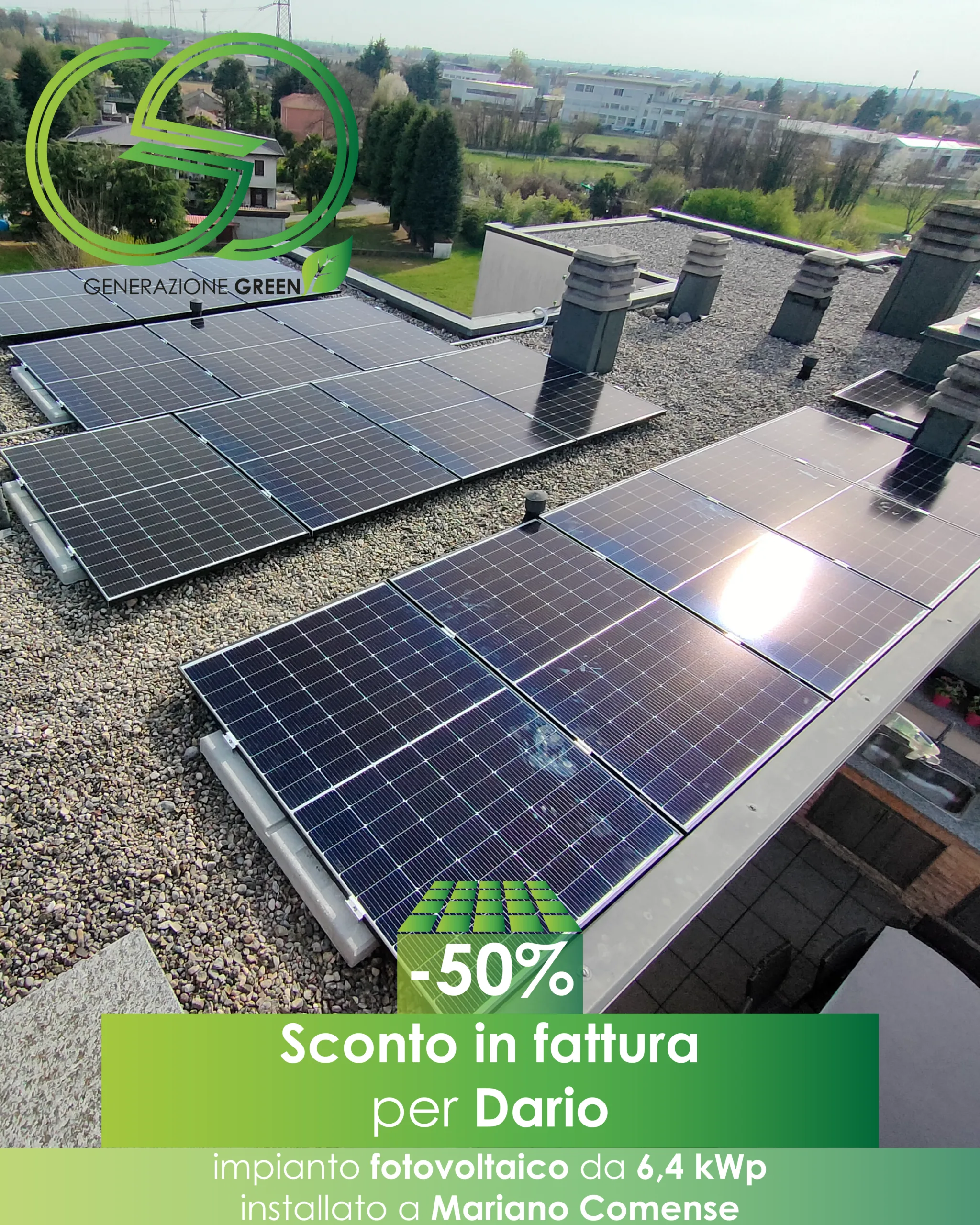
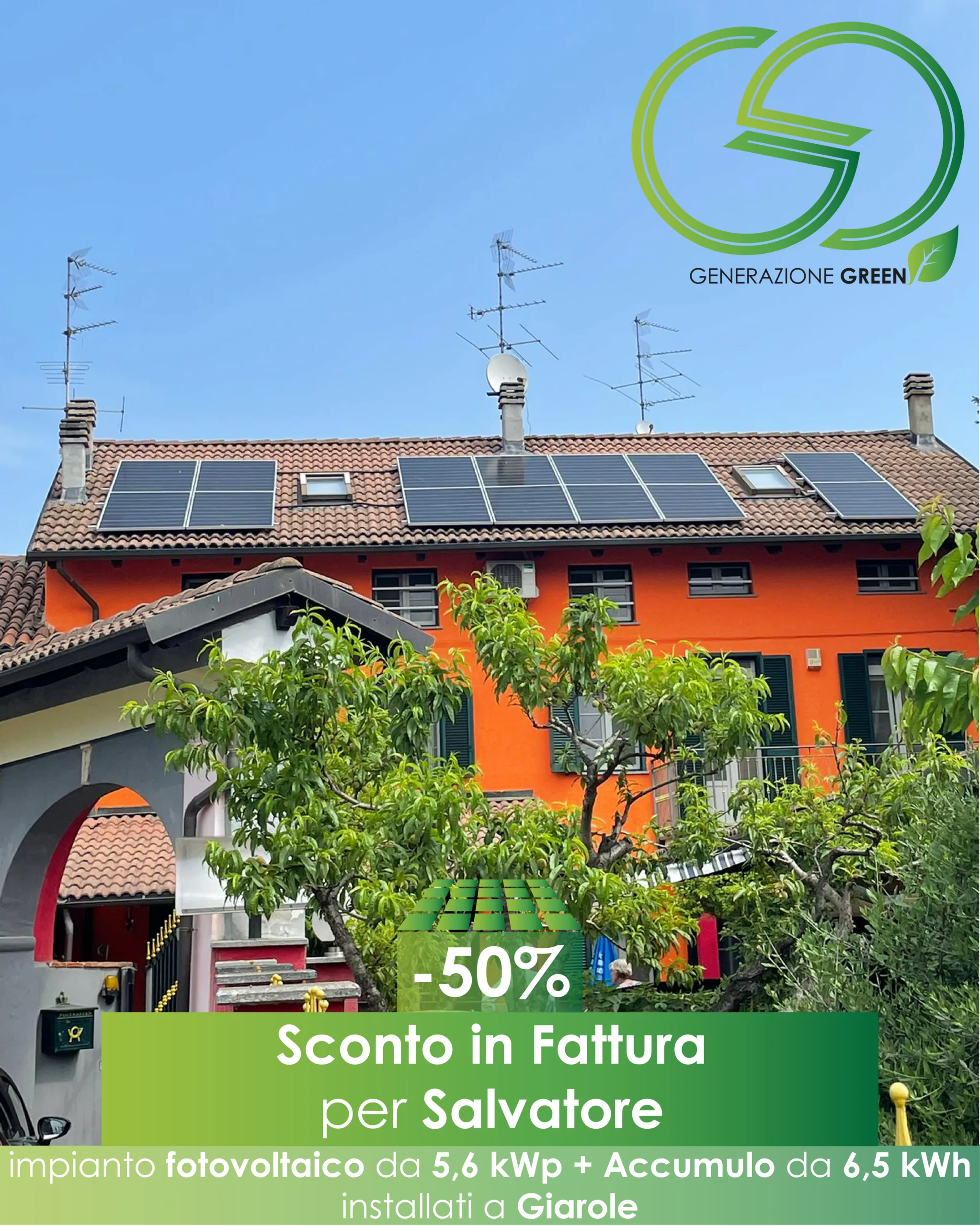
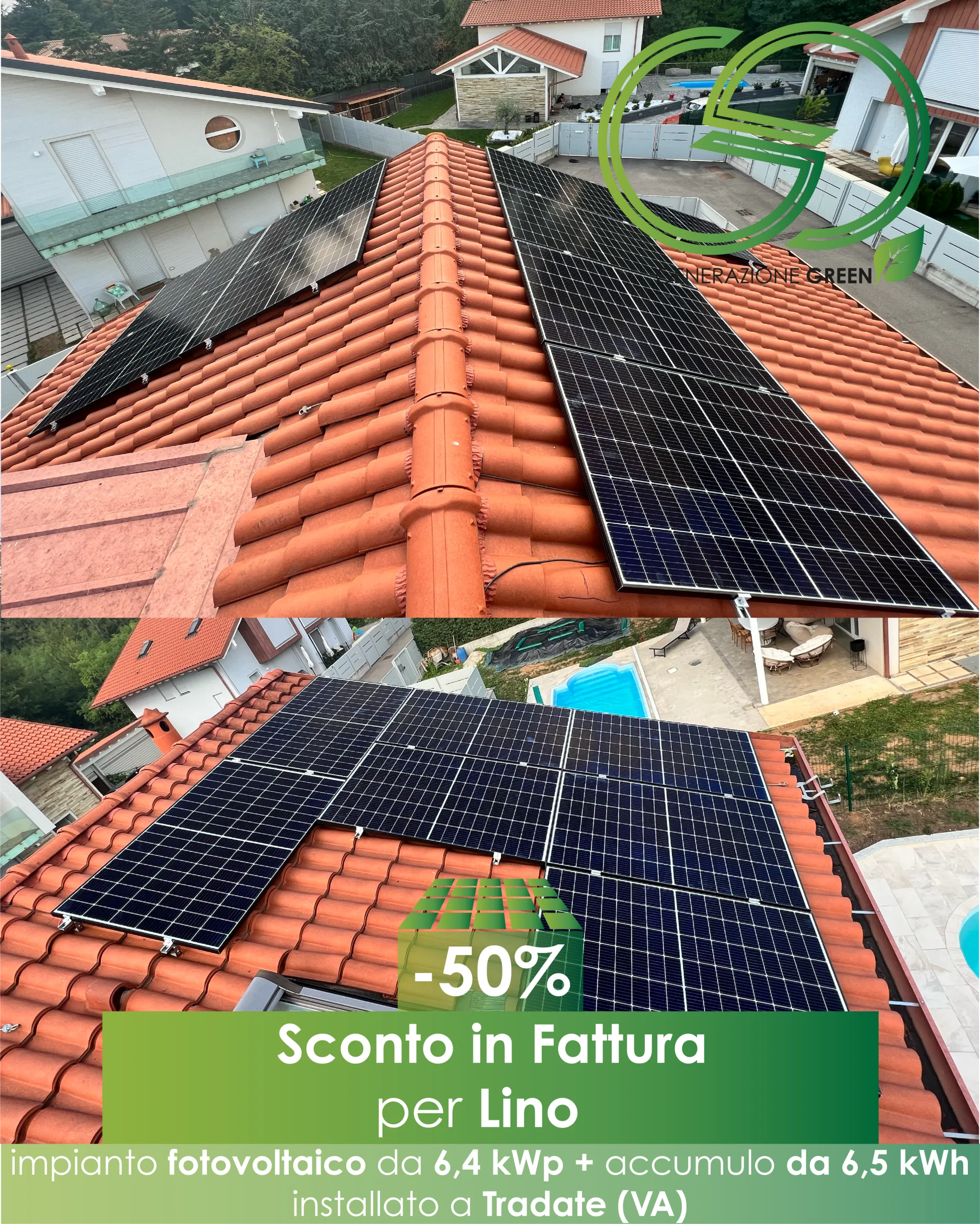
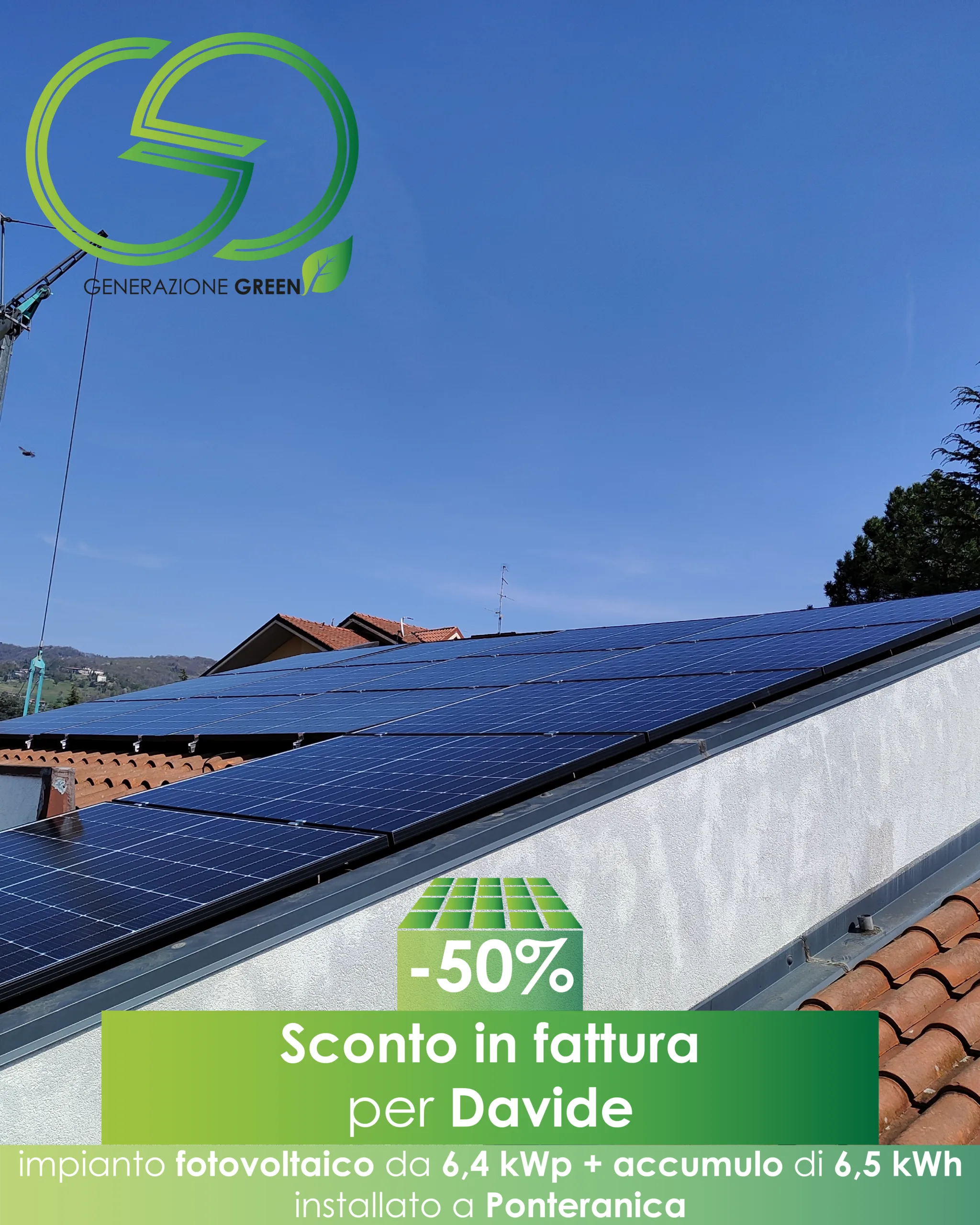
Generazione Green is a Milan-based renewable energy company offering a complete ecosystem of sustainable home solutions — from photovoltaic systems and heat pumps to condensing boilers, air conditioning, EV charging stations, and window frames. As Director of Global Marketing Communications, the role covered the full spectrum of brand strategy, business development, and market communications to drive rapid commercial growth across the Italian market.
With sales of 28 million euros and a turnover of over 3.5 million in just two years, the results validated the strategic approach: building trust-based client relationships, positioning green technology as an accessible and financially rewarding choice, and creating a coherent brand voice across all channels.
Following an in-depth analysis of market data and evolving consumer trends, the next phase focused on redirecting the company toward new objectives and higher-impact growth opportunities.
The Problem Behind a Multi-Product Energy Portfolio
Photovoltaic systems with storage, condensing boilers, heat pumps, air conditioning, EV charging and window frames are not one product. They are six separate purchase decisions, each with a different price point, a different installation impact on the home and a different payback horizon.
Marketing them under a single brand means the communication cannot be product-led, because a customer arriving with an interest in one item is rarely the same customer who will buy another. The renewable energy marketing strategy therefore had to operate at the level of the household’s overall energy position rather than the individual item — educating first, quantifying second, and only then presenting the specific product that fitted the case.
Why Trust Was the Central Variable
In this category, reach is cheap and credibility is expensive. The purchase requires letting installers into the home, committing several thousand euros, and accepting a return measured in years rather than months. Volume advertising does not resolve any of that.
The core message — that renewable energy is not just a step toward savings but toward environmental protection — worked because it gave the customer two independent reasons to proceed, one financial and one personal. Consistency across every channel then did the rest of the work: a brand that says the same thing everywhere is read as a brand that has nothing to hide.
Where This Project Sits
Renewable energy marketing sits on the commercial side of a career built mostly on the technical one, and the two inform each other directly. Understanding how a system is installed, what it costs to fit and what can go wrong on site produces marketing claims that survive contact with the customer — and, in the other direction, having sold energy retrofits changes how you specify them.
The technical counterpart of this work is documented in Reforma Vivienda Tenerife, and the full range is collected in my construction project manager portfolio. Industry context on the European renewables market is published by the International Renewable Energy Agency.