
Why Construction Projects Go Over Budget Before They Start
Most construction budgets are lost before anyone arrives on site. When a project runs over, the usual explanation points at the job: unexpected ground conditions, slow trades, material price increases. Those things happen. But in my experience across renovation, new build and fit-out projects, the overrun is usually decided weeks or months earlier, in the planning phase, when estimates, scope and drawings are prepared.
This article explains where pre-construction budgets fail, what the research says about cost performance in construction, and the practical steps that make a budget realistic before the first shovel hits the ground.
How often construction projects miss their budget
Cost overruns are not exceptional; they are the norm. KPMG’s Global Construction Survey, based on interviews with 109 senior leaders of owner organisations, found that only 31% of projects came within 10% of their budget over the previous three years, and only about a quarter came within 10% of their original deadline. 53% of owners reported at least one underperforming project in the previous year.
The same survey pointed to causes that sit largely upstream of construction: shortages of qualified planners and project managers, project information systems that do not talk to accounting and procurement, and contract structures that push risk onto contractors without clarifying scope. These are planning and governance problems, not site problems.
Four ways budgets fail before work starts
1. Estimates built to win, not to deliver
When an estimate is prepared to secure a client or a bid, optimism enters the numbers. Allowances are trimmed, contingency is reduced and difficult items are priced on best-case assumptions. The project starts with a budget that was never realistic, and every later variation is measured against the wrong baseline.
2. Scope that grows in meetings
Every client meeting produces ideas: an extra bathroom, a different finish, a larger window. If those decisions are not written down, priced and approved, they become verbal commitments. By the time they reach site they are no longer options; they are changes, and changes made late always cost more.
3. No accurate survey of existing conditions
In renovation and fit-out work, design and estimates are often based on old plans or quick measurements. When walls, levels and services on site do not match the drawings, redesign happens during construction, which is the most expensive moment to redesign anything. An as-built survey before design is one of the cheapest forms of risk reduction available.
4. Office decisions disconnected from site reality
Procurement lead times, access constraints, sequencing and trade availability are often missing from early schedules. A programme that looks fine in a spreadsheet can be impossible on a constrained urban site or during a busy season when trades are booked months ahead.
What good pre-construction looks like
Survey first, then design
Accurate site surveys and CAD documentation that reflect reality, not assumptions, should come before any serious design or estimate. For existing buildings this means measured as-built drawings, verified levels and a record of visible services.
A written, signed scope
Every stakeholder should review the same scope document: what is included, what is excluded, which finishes are specified and which decisions are still open. Open items should carry a provisional sum, not a silent zero.
Contingency that matches the risk
A new build on a clean site and a renovation of a 1970s building do not carry the same risk. Contingency should be set by risk, typically higher where existing conditions are uncertain, and it should be controlled by the project manager, not spent automatically.
A feasibility check before committing to a deadline
Before promising a completion date, check permits, long-lead items, trade availability and access. A deadline that ignores these factors is a promise the project cannot keep, and missed deadlines usually come with extra cost.
A design freeze
Agree a date after which design changes require a formal change request with a cost and schedule impact. This does not prevent changes; it makes every change a conscious, priced decision.
Why this matters more in Alberta’s current market
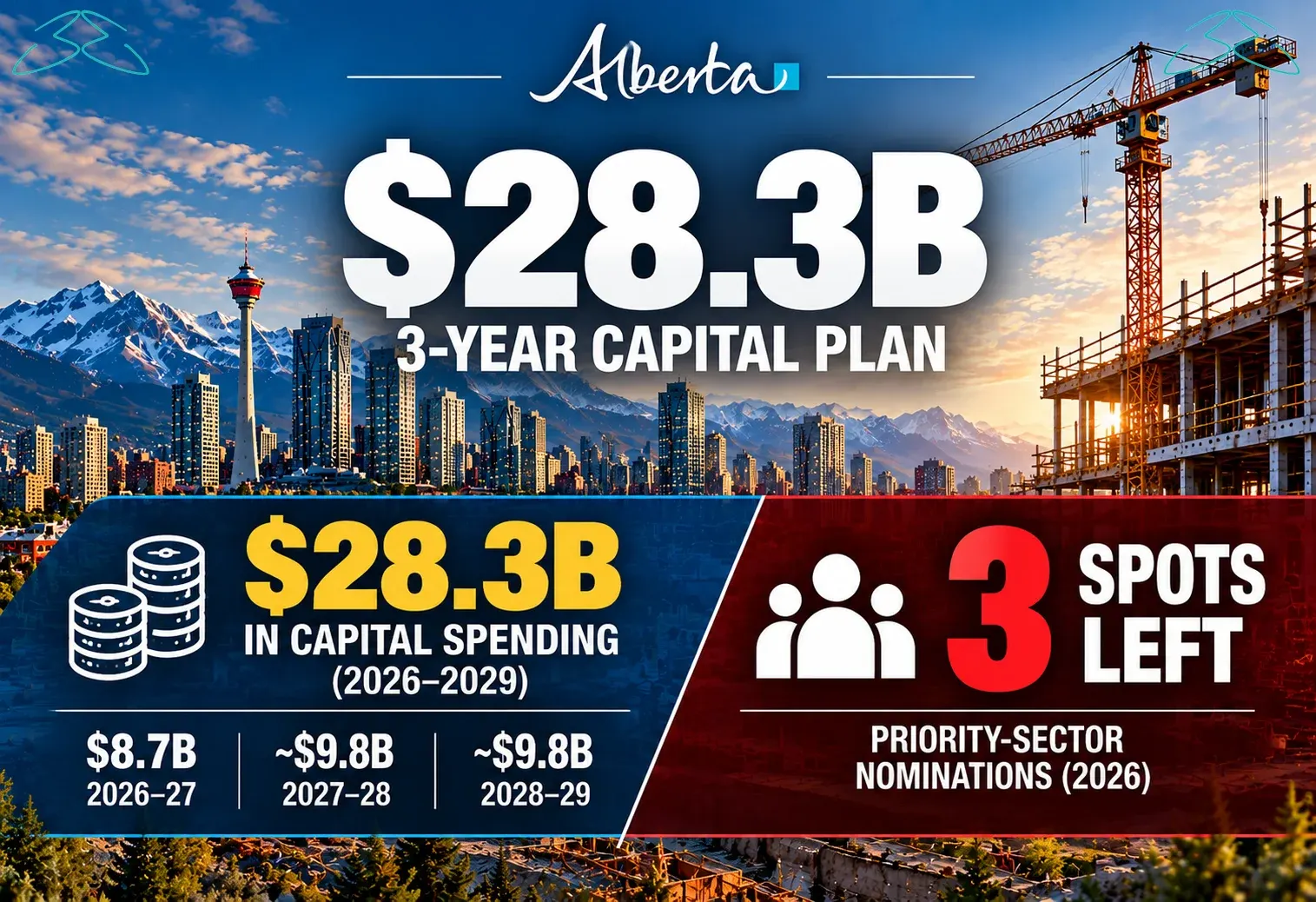
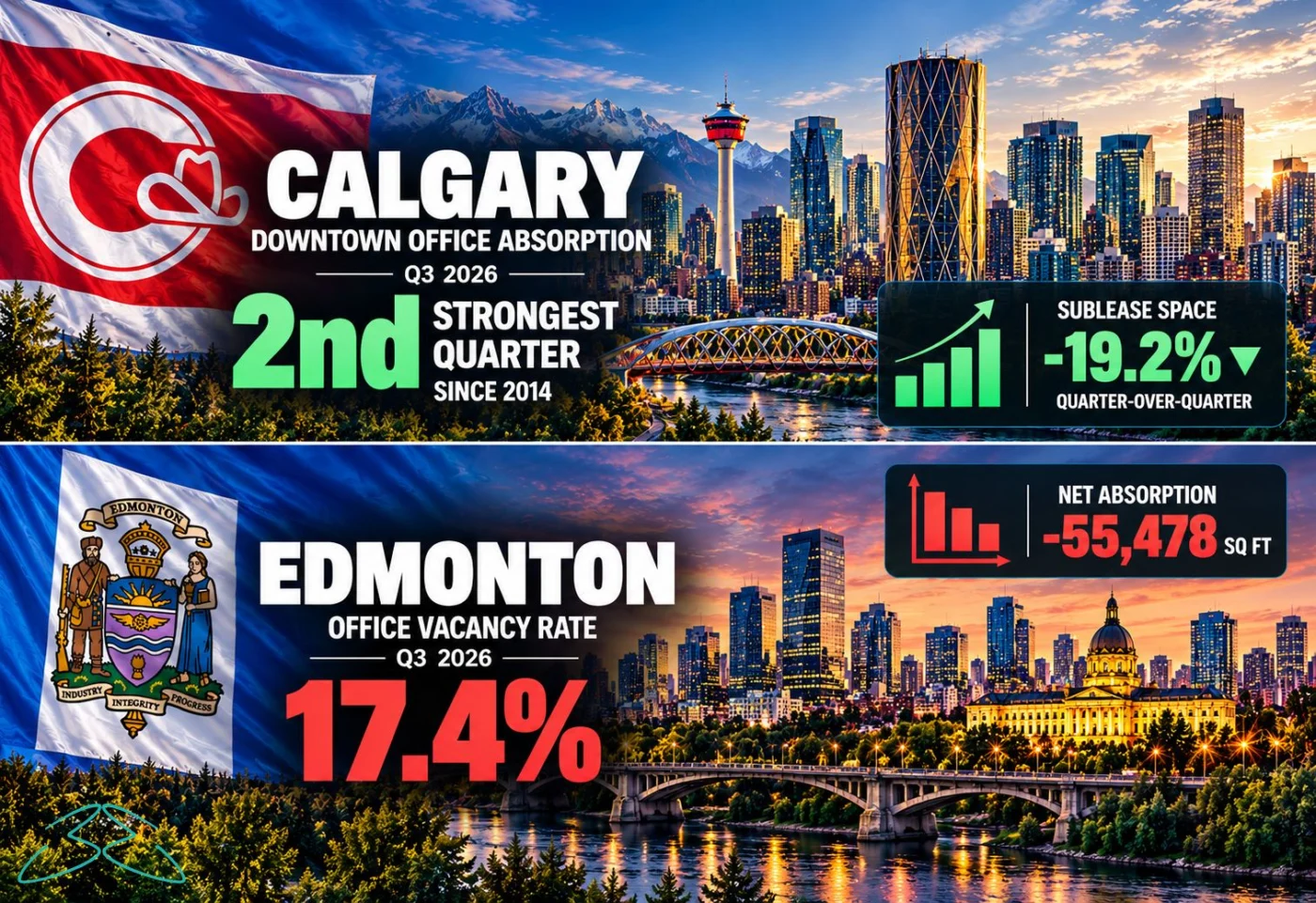
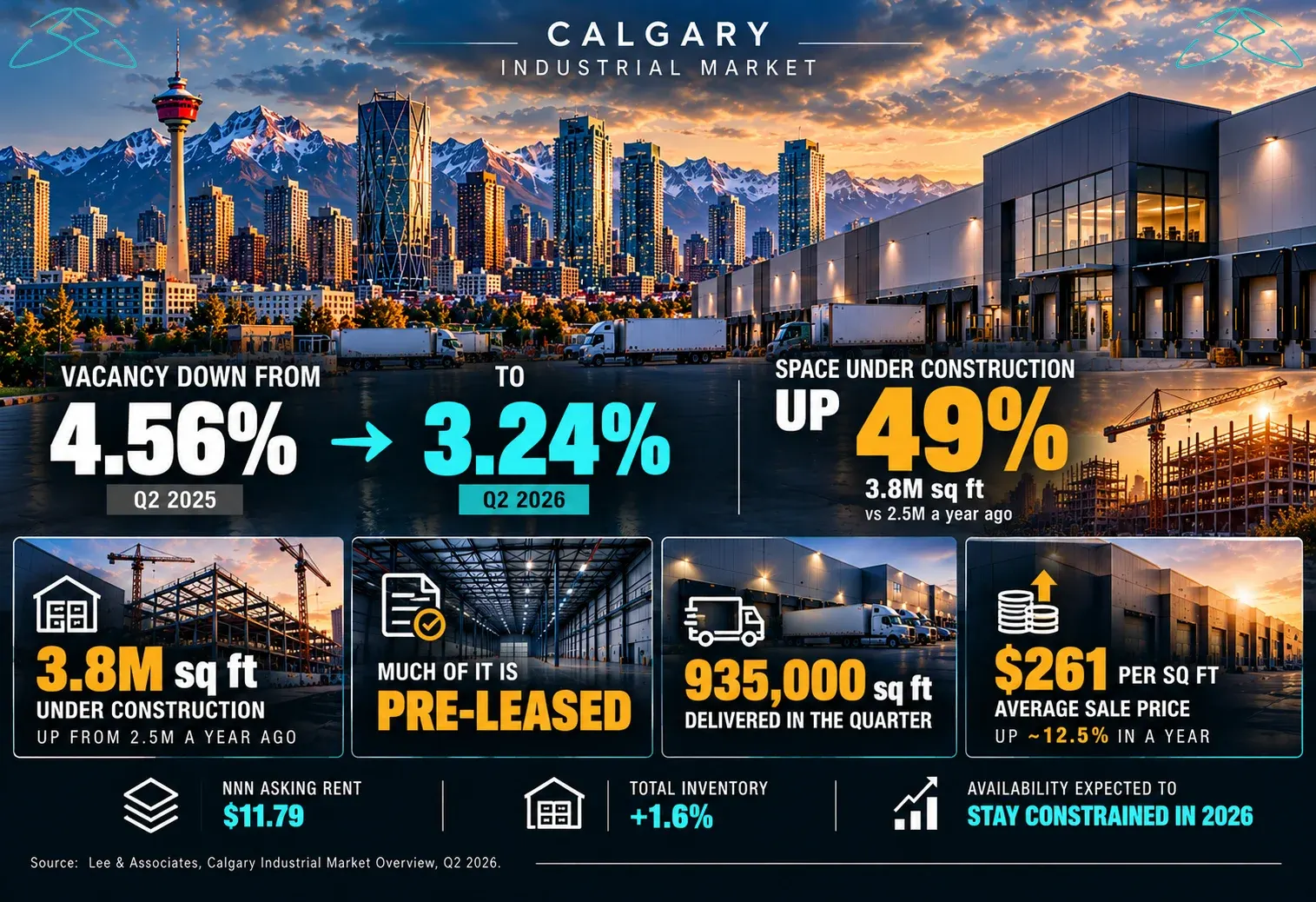
Alberta came out of a record construction year in 2025 with more than 54,000 housing starts. High activity means tight trade capacity and competitive pricing pressure on subcontractors, while softer sales in some residential segments reduce the margin available to absorb mistakes. In that environment, the planning phase is where profitability is protected or lost.
A simple pre-construction checklist
- Measured survey and as-built drawings of existing conditions
- Design developed to a level that allows reliable pricing
- Written scope with inclusions, exclusions and provisional sums
- Estimate reviewed independently from the sales process
- Risk-based contingency and a clear owner of that contingency
- Programme that includes permits, procurement and trade availability
- Design freeze date and a change control procedure
The bottom line
Projects that finish on time and on budget are rarely lucky. They are better prepared. The fix for most overruns is not working harder on site; it is doing the right work before site. After 20 years managing projects in several countries, I have seen the same pattern every time: the quality of the planning phase predicts the outcome of the build.
If you are planning a construction or renovation project and want help structuring the pre-construction phase, see my construction project management services or get in touch.
Frequently asked questions
What percentage of construction projects go over budget?
KPMG’s Global Construction Survey found that only 31% of projects came within 10% of budget, which means most projects exceed their original cost estimate by more than 10%.
What is the main cause of construction cost overruns?
Most overruns originate in pre-construction: unrealistic estimates, incomplete scope, inaccurate information about existing conditions and late design changes.
How much contingency should a construction project have?
It depends on risk. Projects with uncertain existing conditions, such as renovations, need more contingency than new builds on clear sites. The key is to base contingency on identified risks and to control how it is spent.
Sources
- Building Design + Construction: KPMG Global Construction Survey
- ATB Financial: Housing starts in Alberta, December 2025
- 218 views
- 0 Comment

Eros Belotti 01.

Eros belotti
Construction project manager with over 20 years of experience in Europe and the Canary Islands. Specialized in modular housing, container construction, real estate development and international project management. Founder of Reforma Vivienda Tenerife and Donkey Lab.