

//Alberta Housing Affordability 2026: Why Affordable Doesn’t Mean Feasible
Alberta Housing Affordability 2026: Why Affordable Doesn’t Mean Feasible

Tags : AlbertaAlberta ConstructionBusiness DevelopmentCalgaryEdmontonFeasibilityProject ManagementReal Estate
Alberta remains one of the most affordable major housing markets in Canada. In RBC Economics’ latest affordability report, covering the second quarter of 2026, owning a home at market prices in Calgary required 41.3% of a typical household’s income and in Edmonton 36.8%. In Toronto the figure was 64.1% and in Vancouver 83.9%. For developers and investors from other provinces and from abroad, those numbers make Alberta look like an easy choice.
It is not that simple. Affordability opens the door, but it does not guarantee that a specific project will work. This article explains what the affordability data shows, why Alberta should never be treated as a single market and how to move from a positive headline to a solid feasibility decision.
What the affordability numbers mean
RBC’s aggregate measure estimates the share of median household income needed to cover the costs of owning a home at market value: mortgage payments, property taxes and utilities. Lower is more affordable. The national figure in Q2 2026 was 52.8%.
- Calgary: 41.3%, slightly above its long-term average of 39.7%. RBC describes conditions as stable and expects stability through the end of the year.
- Edmonton: 36.8%, the most affordable of the major markets but above its long-term average of 32.8%. RBC notes that buyers face somewhat strained conditions relative to Edmonton’s own history, while transactions remain nearly 40% above pre-pandemic levels.
- Toronto and Vancouver: 64.1% and 83.9%, still far less affordable despite recent improvement.
RBC also reported that affordability relief is tapering off across Canada, with the smallest quarterly improvement in almost a year.
Why affordability attracts people and capital
Relative affordability is one reason Alberta absorbed record migration in 2023 to 2025 and recorded 54,858 housing starts in 2025. Households moving from Ontario and British Columbia can buy more space for less money, and investors find lower entry prices and, in many segments, workable rents. Strong employment and a younger population add to the appeal.
But affordability is a measure of buyers’ ability to pay, not of a project’s ability to make money. A market can be affordable for buyers and still be difficult for developers if costs are high, competition is intense or absorption is slow.
The mistake: treating Alberta as one market
Many developers entering Alberta use one affordability index, one demand curve and one set of assumptions for the whole province. The data shows why that is risky.
Calgary and Edmonton have different risk profiles
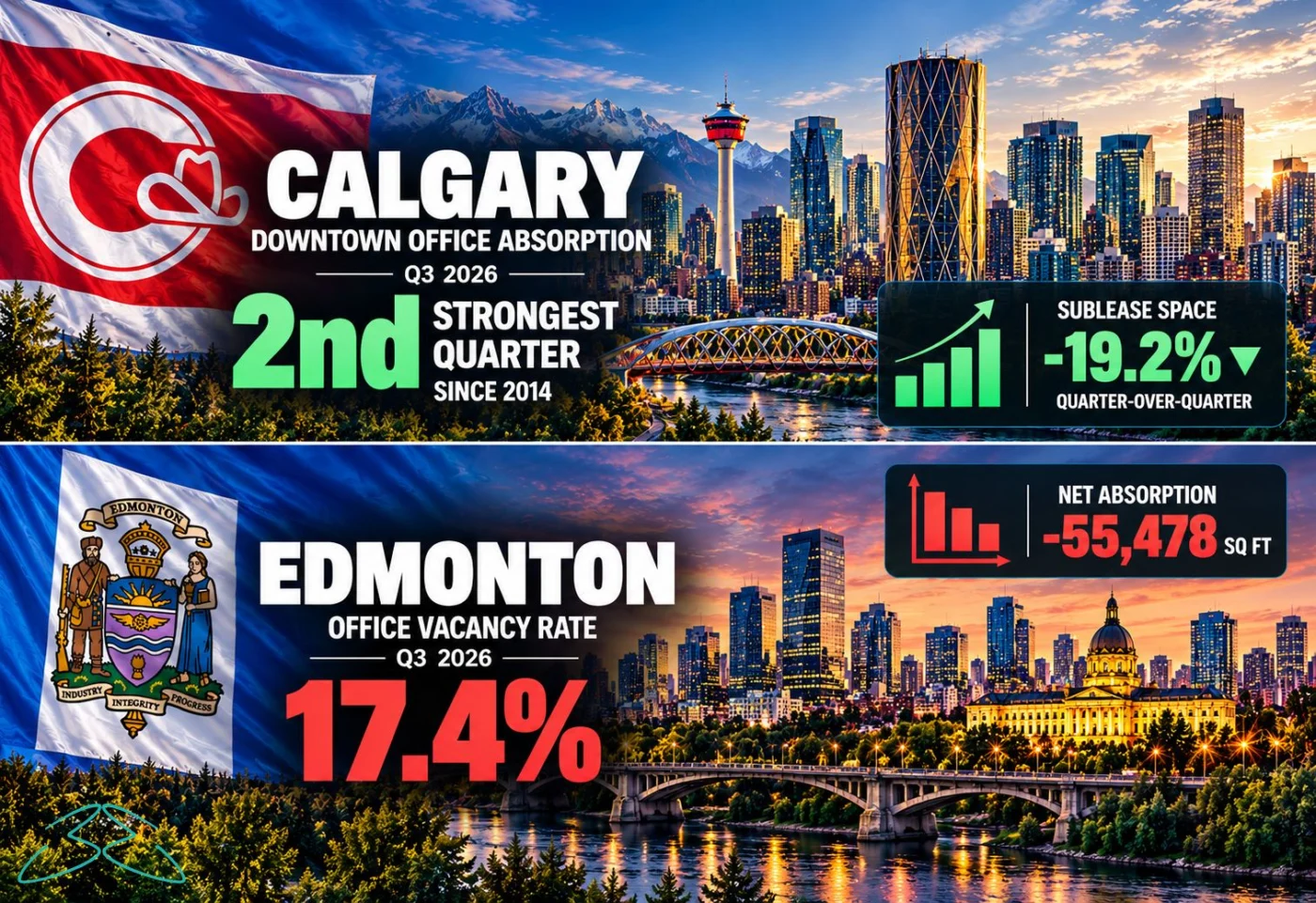
Calgary has higher prices and higher land costs. In March 2026 its apartment segment reached 4.62 months of supply while detached homes stayed close to a seller’s market. Purpose-built rental vacancy in Calgary was 5% in 2025 according to CMHC, compared with 3.8% in Edmonton. Edmonton offers lower entry prices and more permissive small-scale zoning, but also lower achievable rents and prices.
Segments move differently
Presale condominiums and investor-driven multi-family product are where pressure has concentrated. Rental demand remains structurally supported but varies by location and unit type. Detached homes, harder to deliver and in shorter supply, have held their value best.
Timing changes the answer
A project approved today will deliver in two or three years. Population growth is expected to slow to about 1.5% in 2026, and completions from the record start years will compete for the same buyers and tenants.
From affordability to feasibility
A real feasibility check turns a market headline into a project decision. It should cover at least:
- Market fit: current prices, rents, absorption and competing supply for the exact product and location.
- Land and zoning: what can be built, how long approvals take and what development charges apply.
- Construction cost: current Alberta pricing, escalation and trade availability.
- Financing: interest rates, presale requirements and lender appetite.
- Schedule: permits, procurement and construction duration, and their effect on carrying costs.
- Sensitivity: what happens if prices fall 5%, costs rise 5% or absorption slows by six months.
In my experience, many projects that look attractive on headline affordability fail at least one of these tests. That is not a sign of a weak market; it is exactly what feasibility is for.
Where affordability creates real opportunities
Affordability does create opportunities when it is matched with the right product:
- family-oriented ground housing near schools and transit;
- well-designed rental units in locations with low vacancy;
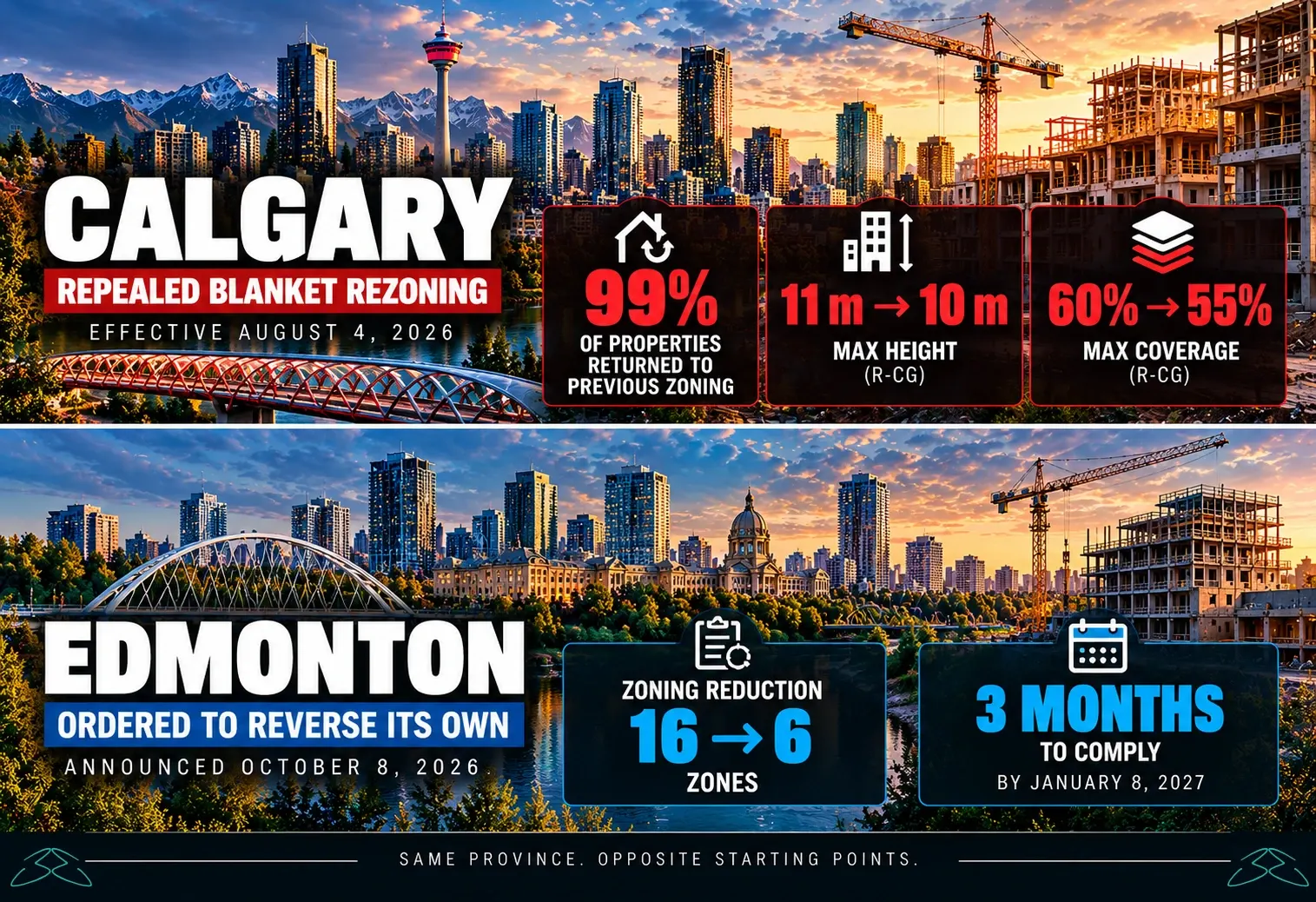
- missing middle projects in Edmonton, where zoning allows small-scale density by default;
- renovation and repositioning of older housing stock;
- seniors housing and continuing care, supported by public capital and demographics.
Advice for investors from outside Alberta
Developers and investors arriving from Ontario, British Columbia or Europe often bring assumptions from markets where prices rose for decades and land was the main constraint. In Alberta, land is more available, which means supply can respond quickly and price growth is more moderate. Returns depend less on appreciation and more on buying well, building efficiently and choosing products that local buyers and tenants actually want. Partnering with people who know local zoning, trades and absorption patterns shortens the learning curve considerably.
The bottom line
Alberta is affordable compared with the rest of Canada, and its fundamentals remain solid. But the question is never only whether the market is solid. It is which segment, which city and which timing. Affordability opens the door; feasibility decides whether you walk through it.
If you are evaluating an opportunity in Alberta and want a second read on the numbers, see my feasibility and project management services, read about the indicators developers should track, or contact me.
Frequently asked questions
Is Calgary or Edmonton more affordable?
Edmonton. In Q2 2026 RBC estimated that owning a home required 36.8% of median household income in Edmonton and 41.3% in Calgary.
How does Alberta compare with Toronto and Vancouver?
Alberta’s major cities are far more affordable: Toronto’s measure was 64.1% and Vancouver’s 83.9% in the same report.
Does affordability make a development project viable?
No. Affordability measures buyers’ capacity. Project viability depends on product fit, costs, financing, absorption and timing, which require a feasibility study.
Sources
- RBC Economics: Housing affordability relief is tapering off across Canada (September 2026)
- Connect CRE: CMHC 2025 rental market results
- REW: Calgary market analysis, March 2026 (CREB data)
- 188 views
- 1 Comment

Eros Belotti 01.

Eros belotti
Construction project manager with over 20 years of experience in Europe and the Canary Islands. Specialized in modular housing, container construction, real estate development and international project management. Founder of Reforma Vivienda Tenerife and Donkey Lab.
May 26, 2026 /
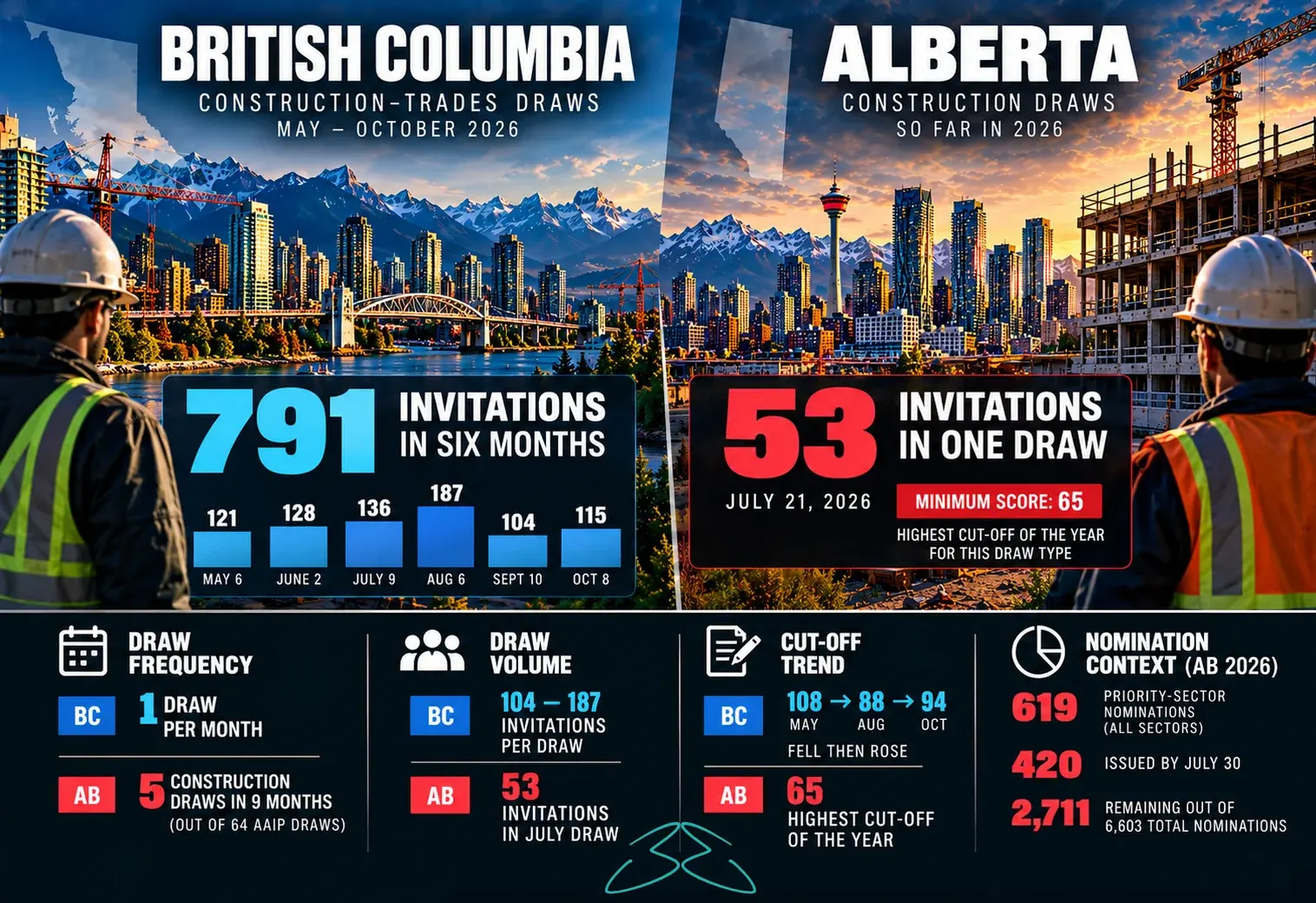
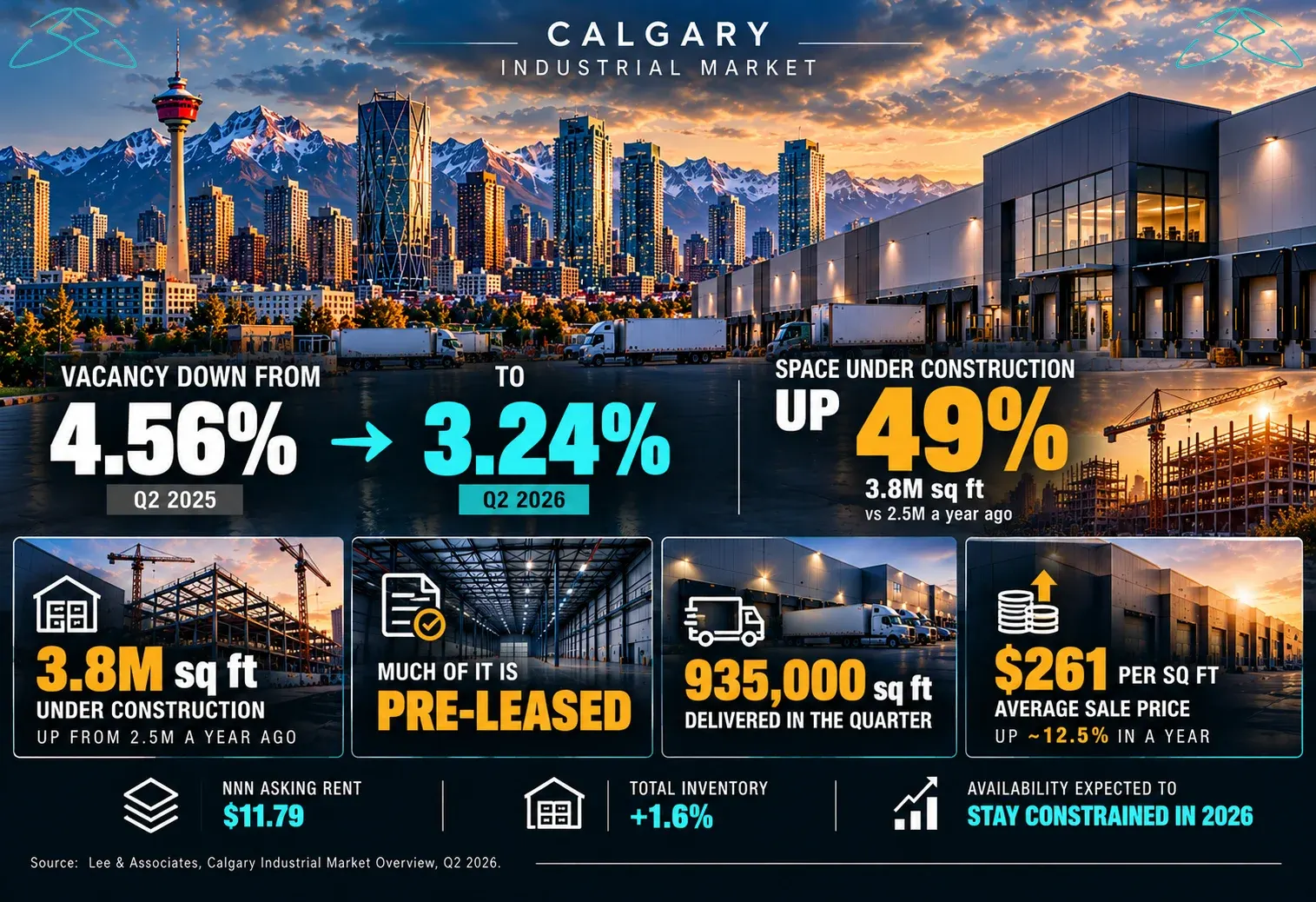
A few things I’m watching closely in Alberta right now:
→ The Calgary/Edmonton gap is widening — same fundamentals, different absorption dynamics → Multifamily feasibility numbers are tighter than they look on paper → Rental is the segment with the most structural runway, but execution matters
If you’re working on a project in Alberta and want to pressure-test the numbers before committing — feel free to connect.