

//Alberta Construction 2026: Starts Fall, Crews Stay Busy. What It Means
Alberta Construction 2026: Starts Fall, Crews Stay Busy. What It Means
Tags : Alberta ConstructionAlberta Real Estate 2026Construction Investment AlbertaConstruction Labour Marketfeasibility studymultifamily albertaproject management alberta
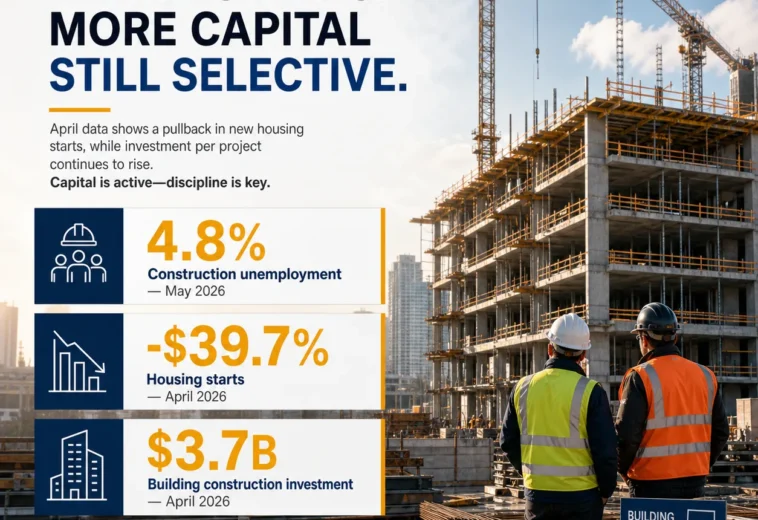
Alberta’s construction data in spring 2026 looked contradictory at first glance. Housing starts were falling sharply: ATB Financial reported that April starts ran at an annual pace of 38,539 units, the lowest in two years, with year-to-date starts down 23% from 2025. Yet construction employment in the province was growing, crews remained busy and large non-residential projects kept moving. Volume was down; activity was not.
These numbers do not contradict each other. They measure different things. This article explains what each indicator shows, why the market is changing shape rather than shrinking, and what that means for feasibility studies and the 2027 pipeline.
What fell: multi-unit starts
According to ATB, the recent decline is concentrated in multi-unit construction, especially purpose-built rental and apartments, which drove the boom of 2024 and 2025. Multi-unit starts fell to their lowest level since June 2023 and were down 23% year to date. In Calgary, April starts were the lowest since mid-2023, with total year-to-date starts down about a third. Edmonton’s year-to-date starts were 16% lower, softened by a surge in row housing.
Ownership housing behaved differently. ATB notes that Alberta’s ownership starts rose slightly in the first quarter and expects single-family starts to stay well above pre-pandemic levels. Smaller centres such as Red Deer and Grande Prairie were stronger. Even after the decline, starts remained 26% above the ten-year average.
What held: employment and large projects
The Canadian Construction Association reported that Alberta’s construction employment rose by about 4,700 jobs in early 2026, the largest gain among the provinces it cited. ICBA reported 248,400 people working in Alberta construction and a major projects inventory of about $166 billion, with $71 billion under construction. Industrial, institutional and infrastructure work, including large energy, technology and public projects, continued to absorb labour even as residential starts fell.
Three numbers, one story
- Fewer projects are breaking ground, especially rental apartments.
- The projects that are moving are larger and more capital-intensive, concentrated in non-residential sectors and selected residential segments.
- The crews have not been released, because labour shifts to other work and the trades were already short.
Put together, the market is not shrinking. It is becoming selective. Volume is down, capital per project is up, and labour remains tight.
Why cost relief is not coming
Developers sometimes expect that fewer starts will bring lower construction costs. In Alberta in 2026 that is unlikely in the short term. Altus Group’s 2026 Canadian Cost Guide reports overall cost increases of 4% or more in Calgary and Edmonton, driven by tariff-affected metals and labour shortages. ATB notes an existing shortage of tradespeople, and the federal government has announced nearly $6 billion over five years to recruit and train up to 100,000 Red Seal tradespeople. With non-residential work absorbing labour, residential developers should not budget for falling costs.
The mistake to avoid in feasibility
A 23% decline in starts can easily be read as “demand is gone.” That is the wrong conclusion. It is more accurate to say the market repriced what it wants. Apartment and rental supply, which grew fastest, is pausing while vacancy rises. Ownership housing, family product and housing in smaller centres continue to move.
A feasibility study that treats the decline as uniform will either abandon good projects or misjudge which ones to pursue. A study that reads the shift by segment will find where demand still exceeds supply.
What it means for the 2027 pipeline
If starts are down but crews remain busy, two things follow. First, completions from earlier starts will keep arriving through 2026 and 2027, adding to rental and condo supply in Calgary and Edmonton. Second, the reduced pace of new apartment starts in 2026 could tighten that segment again by 2028, especially if population growth continues. Developers who keep land and approvals ready while avoiding premature construction commitments may be well placed for that turn.
Practical steps for developers and builders
- Segment your analysis: look at starts, completions and absorption for your product type and city.
- Budget for stable or rising costs: include escalation and labour constraints.
- Check trade availability: secure key subcontractors early, especially mechanical and electrical.
- Consider smaller centres: some regional markets are outperforming the metros.
- Keep options open: phase projects and avoid committing to construction before presales or pre-leasing support it.
What to watch in the coming months
Monthly CMHC starts by type will show whether multi-unit construction stabilises. Rental vacancy data will indicate how quickly new completions are absorbed. Employment and job vacancy figures will show whether labour pressure eases as residential work slows or stays tight because of non-residential demand. Together, these indicators will tell developers when the apartment segment is ready for the next cycle.
Regional markets are diverging
The provincial picture also hides regional differences. BILD Alberta reported that in the first quarter of 2026, starts rose sharply in Grande Prairie, Red Deer, Lethbridge and Medicine Hat, while the Calgary and Edmonton regions declined by about 20% and 17% respectively. Smaller centres had seen less multi-unit building during the boom and therefore have less supply to absorb. For builders with the right product, especially ground-oriented housing, these markets may offer steadier demand than the metros in 2026.
The bottom line
The 2025 boom rewarded everyone who could build. 2026 rewards those who choose the right thing to build. One number says the market is slowing; the others say it is changing shape. Build your feasibility for where the market is going, not for where the headline says it is.
If you want to test a project against the current segment data, see my feasibility and project management services, read about the CMHC forecast for Alberta, or contact me.
Frequently asked questions
Are Alberta housing starts falling in 2026?
Yes. ATB Financial reported April 2026 starts at an annual pace of 38,539, the lowest in two years, with year-to-date starts down 23%. Starts remained 26% above the ten-year average.
Which segment is driving the decline?
Multi-unit construction, especially purpose-built rental and apartments, which fell to the lowest level since June 2023.
Will construction costs fall in Alberta?
Unlikely in the short term. Altus Group reports cost increases of 4% or more in Calgary and Edmonton, driven by metals and labour shortages.
Sources
- ATB Financial: Alberta housing starts, April 2026
- Canadian Construction Association: Economic Report, Spring 2026
- ICBA: Alberta Construction Monitor, Winter 2026
- Altus Group: 2026 Canadian Cost Guide insights
- 222 views
- 1 Comment

Eros Belotti 01.

Eros belotti
Construction project manager with over 20 years of experience in Europe and the Canary Islands. Specialized in modular housing, container construction, real estate development and international project management. Founder of Reforma Vivienda Tenerife and Donkey Lab.
June 15, 2026 /
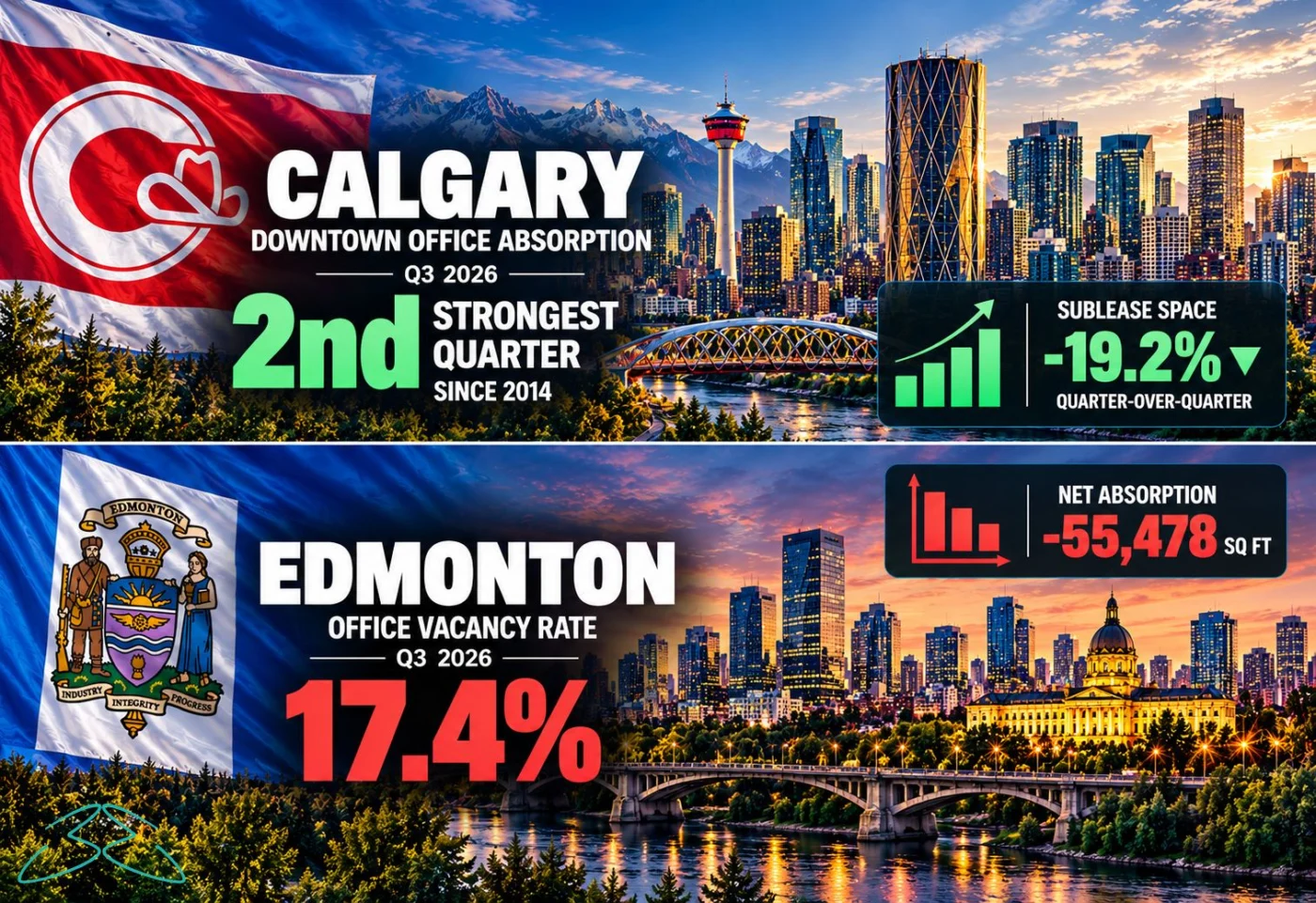
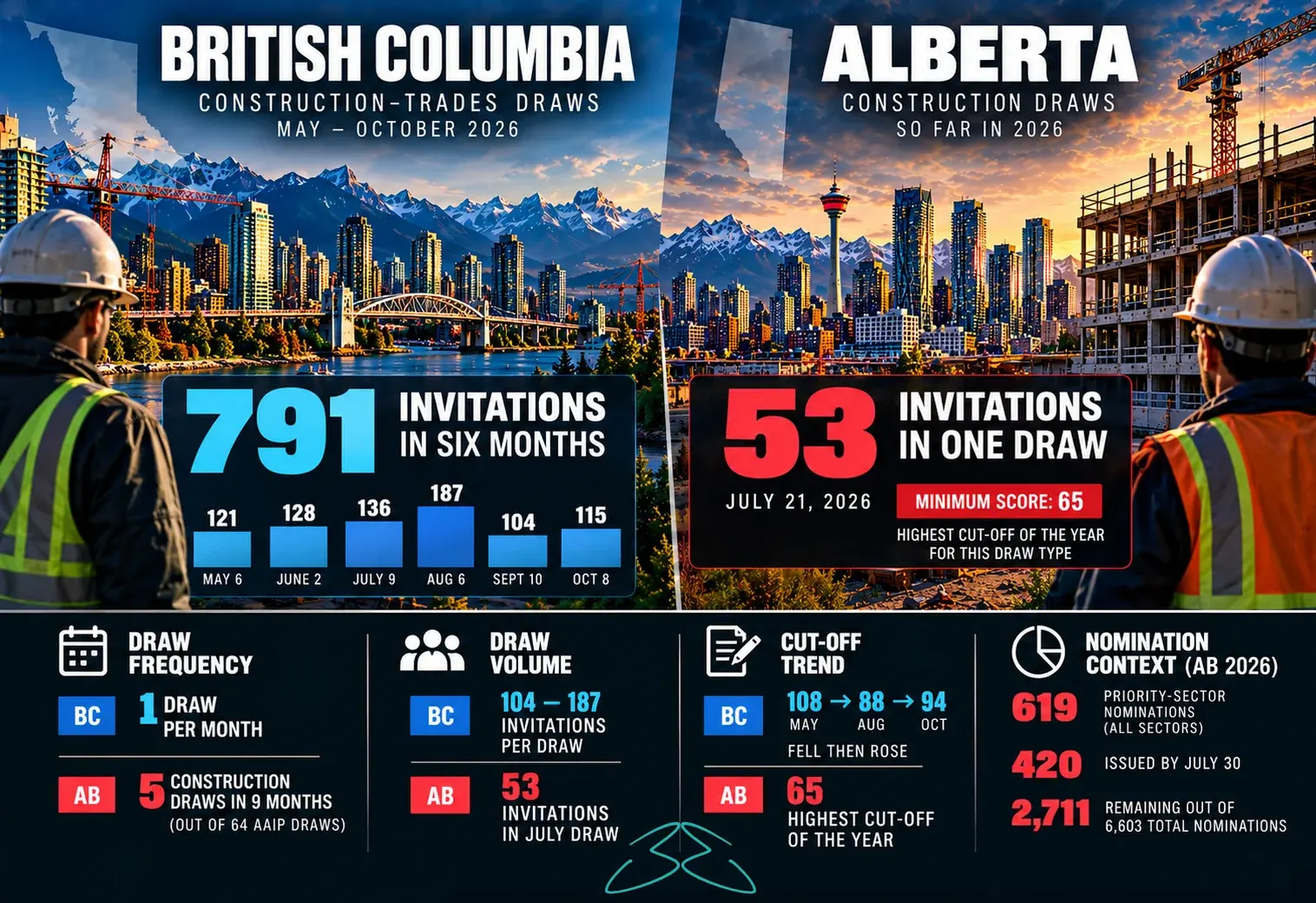
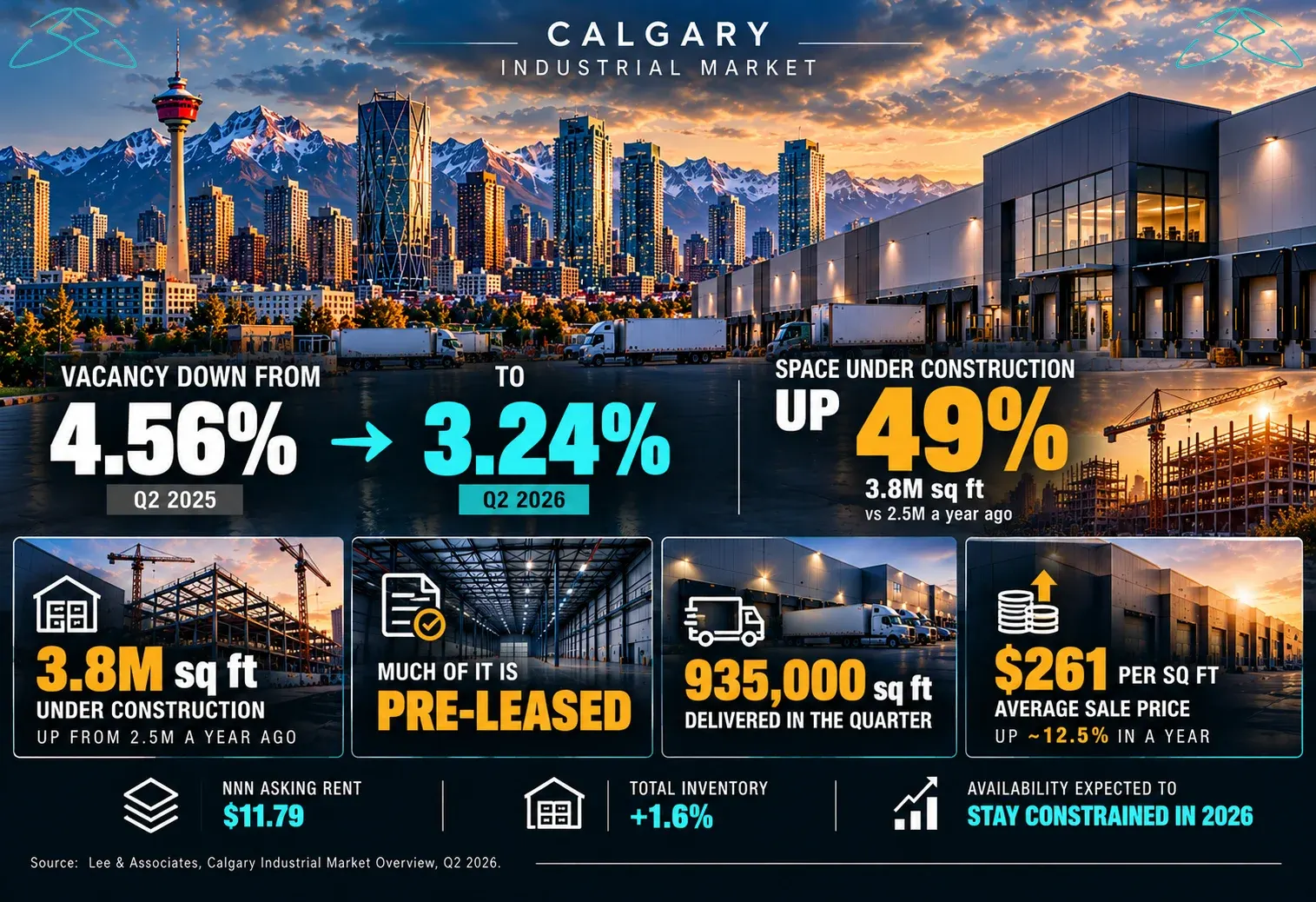
To add some context to the numbers above:
The $3.7B investment figure isn’t spread evenly. It’s concentrated in multifamily and industrial — the two segments where forward demand is still structurally supported in Alberta.
Single family is where the starts drop hits hardest. And that’s exactly where most feasibility models are still anchored.
The practical implication: if you’re entering a project in 2026, product mix and site positioning matter more than total market volume. A market-wide slowdown doesn’t affect every asset class equally.
This is the kind of analysis I work through with construction companies and developers before a project moves to execution.
If you’re mapping a 2026 project in Alberta and want a second set of eyes on the numbers → erosbelotti.com